← All women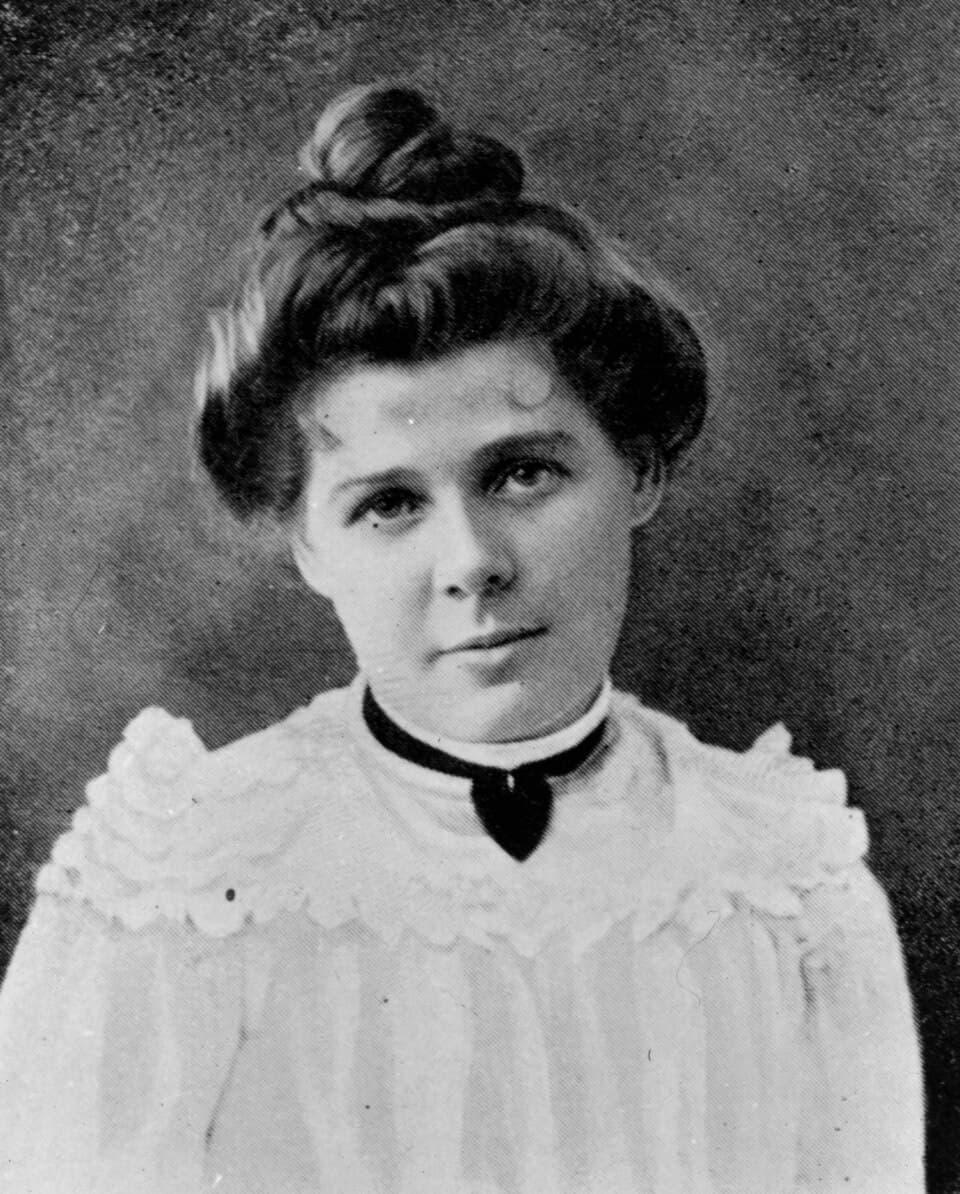
Australian · Literature · Science
Louise Mack
October 10, 1870 – November 23, 1935
Early Life and Background
Marie Louise Hamilton Mack was born on October 10, 1870, in Hobart, Tasmania, Australia. She was the daughter of Hans Hamilton Mack, a Wesleyan minister, and Jemima James, who came from an accomplished family in Jersey, Channel Islands. Growing up in a large family, she was exposed to literature and learning from a young age, sparking her lifelong love for writing. Her family moved frequently due to her father's clergy appointments, settling in Sydney in 1882, where Louise attended Sydney Girls High School. Her education there was pivotal, fostering her literary talents through both formal studies and contributions to school publications.
Career Beginnings and Development
Louise Mack began her literary career as a poet and essayist, contributing to various periodicals and local newspapers. In 1898, she published "An Australian Girl in London," a semi-autobiographical work that offered insight into the experiences of women abroad and gained her notable acclaim. This book marked a significant turning point in Mack's career, opening doors for her in literary circles in Australia and abroad.
Major Works, Discoveries, or Accomplishments
Mack's work in journalism began to blossom in the early 1900s. By 1901, she was writing a women's column for "The Bulletin," a renowned Australian publication, eventually becoming its editor. Her novel "Teens: A Story of Australian School Girls" (1897) was especially important as it addressed the lives and challenges faced by young women in contemporary Australia. In 1914, she became one of Australia's first female war correspondents, reporting from the front lines in Belgium during World War I for the London Daily Mail and Evening News. Her unique perspective and bravery provided groundbreaking insights into the experiences of war, making her reports salacious and widely discussed.
Awards, Honors, and Recognition
Despite the challenges faced due to her gender, Mack was admired and respected in the literary and journalistic communities. Her significant contribution as a female correspondent during World War I was formally recognized posthumously, affirming her role in breaking gender barriers in journalism.
Personal Life
Louise Mack married twice; first to John Percy Creed, with whom she divorced, and later to Andrew Forrester, an experienced stage director and theatrical manager. Her personal experiences richly informed her writing, which often explored themes of love, relationships, and the roles of women in society.
Legacy and Historical Impact
Mack is remembered as a trailblazer for women in journalism and literature. Her pioneering role as a war correspondent during a time when women's contributions were often undervalued marked a new era of female representation in media. She paved the way for future generations of women writers and journalists, establishing a legacy that continues to influence.
Later Life and Death
Returning to Australia in her later years, Mack continued writing and contributing to literature until her death on November 23, 1935, in Mosman, New South Wales. Her life's work significantly impacted Australian literature and journalism, and she remains a celebrated figure for her contributions to both fields.
Dated achievements
3 indexed.
- Oct101870Literature
Birth of Marie Louise Hamilton Mack
Louise Mack was born on 10 October 1870 in Hobart, Tasmania, later becoming one of Australia's most prominent journalists and novelists.
View details Australian Dictionary of Biography - Mack, Marie Louise (1870-1935) - Oct031914