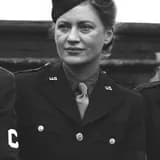
On 30 April 1945, Lee Miller photographs the newly liberated Dachau concentration camp, creating some of the earliest widely known visual records of its atrocities.
Also on 30 April 1945, Lee Miller documented the immediate aftermath of the liberation of Dachau concentration camp, traveling with American forces into the site and photographing piles of corpses, emaciated survivors, and the physical infrastructure of Nazi mass murder. Her images, taken within hours of liberation, are among the earliest visual records accessible to broad magazine audiences of the camp system’s horrors.
Miller’s Dachau photographs include stark views of crematoria, barbed wire, barracks, and the bodies of prisoners who had died from starvation, disease, or execution. She framed these scenes without sentimentality, using clear composition to ensure that the evidence would be legible and undeniable. Her accompanying writings conveyed shock and anger, challenging any attempts to minimize or rationalize the atrocities.
Historically, the 30 April 1945 Dachau reportage is crucial to Holocaust visual history. Miller was one of a small number of women to witness and record concentration camps at the moment of liberation. Her work contributed to the emerging body of photographs that informed postwar trials, public understanding, and later scholarship. For women’s history and media history, it demonstrates how a female correspondent could operate at the very center of world‑defining events, using her camera to ensure that what she saw would be remembered.