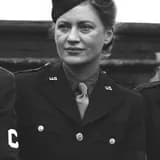
On 3 September 1939, Britain enters World War II, a turning point that soon leads Lee Miller to shift from art and fashion to war photography.
On 3 September 1939, the United Kingdom declared war on Germany, marking the beginning of World War II for Britain. At this moment, Lee Miller was living in England with Roland Penrose, embedded in artistic circles that were rapidly being transformed by the demands of wartime. Although the decision to go to war was a governmental act, the date is a crucial contextual marker in Miller’s life, triggering the sequence of events that led her to become a war photographer and correspondent.
As air raids, rationing, and mass mobilization reshaped British society, Miller turned her camera toward the home front, documenting shelters, bomb damage, and women’s labour in factories and civil defense. The war’s outbreak forced many artists into propaganda or service roles; Miller, however, used her position to negotiate accreditation as a photojournalist, ultimately securing assignments with Vogue. Her images from this period fuse aesthetic sensibility with documentary urgency, capturing both resilience and trauma.
Historically, 3 September 1939 stands as the hinge between Miller’s earlier Surrealist and commercial work and her emergence as one of the few women correspondents covering combat, liberation, and concentration camps. The war expanded the field of photojournalism and opened a narrow but significant space for women like Miller to report from the front lines, challenging norms that confined female reporters to the domestic sphere.