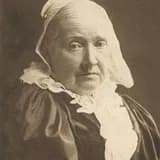
Howe composed the iconic Civil War anthem after visiting Union Army camps near Washington, D.C., inspired by the marching soldiers' cadence.
In November 1861, Julia Ward Howe visited Union Army encampments near Washington, D.C., accompanying her husband, Dr. Samuel Gridley Howe, who served on the U.S. Sanitary Commission. During this visit, she heard soldiers singing the popular marching tune "John Brown's Body," and a friend, Reverend James Freeman Clarke, suggested she write more fitting, elevated lyrics to the powerful melody.
That night, staying at the Willard Hotel, Howe reportedly awoke before dawn with the words forming in her mind and quickly wrote down the verses that would become "The Battle Hymn of the Republic" almost fully formed, later stating she wrote them "as if in a dream." The poem fused religious imagery, apocalyptic urgency, and moral fervor with the Union cause, transforming a simple marching song into a spiritual anthem for abolition and national purpose.
This act of creative inspiration cemented Howe's place in American cultural history. The hymn would go on to become one of the most enduring patriotic songs in United States history, sung at presidential funerals, civil rights marches, and national commemorations for over a century and a half. It represented a rare instance of a woman's literary work achieving instant and lasting national significance during a time when women's public voices were largely marginalized.