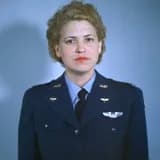
Cochran set a women’s national altitude record and broke the international speed record for men and women.
On July 15, 1939, Jacqueline Cochran established a women’s national altitude record and broke the international speed record for men and women. The Falcon Foundation’s summary places this flight among the many records she accumulated as her career progressed from racing to high-performance record-setting.
The significance of this event lies in the breadth of the achievement. Altitude and speed records were not merely publicity markers; they were proof of technical mastery, engine performance, aircraft reliability, and pilot endurance. By holding records that transcended the usual male-female divide, Cochran was demonstrating that her accomplishments belonged in the broader history of aviation, not just women’s aviation.
In the late 1930s, record flights were a highly public way to establish aviation expertise, and women’s participation was still exceptional. Cochran’s accomplishments therefore served as both personal triumphs and public arguments for equal recognition. They helped build the foundation for her later wartime leadership and postwar record flights, in which she would continue to expand the limits of what women pilots were expected to do.