← All women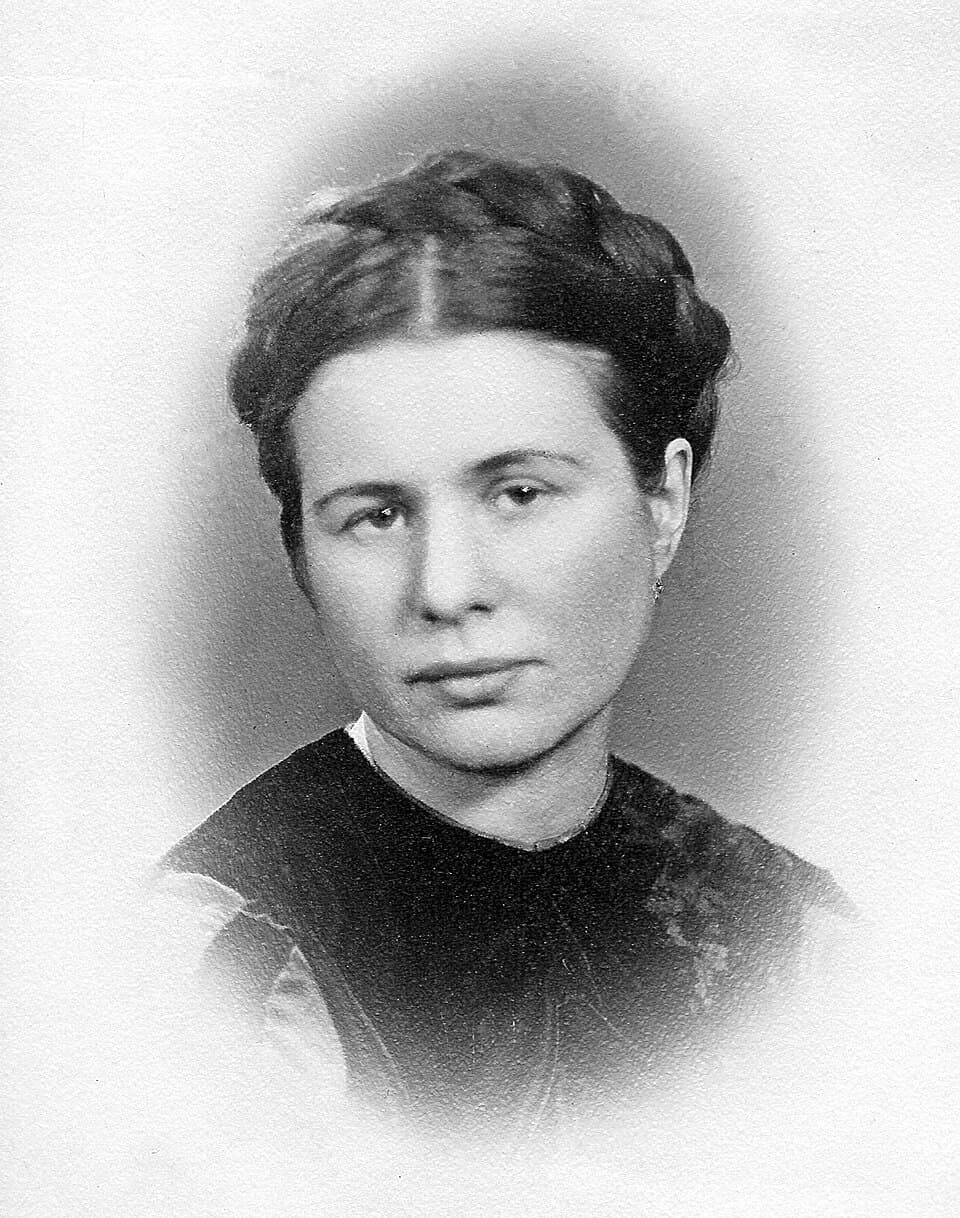
Polish · Activism · Medicine
Irena Sendler
February 15, 1910 – May 12, 2008
Early life and family background
Irena Stanisława Krzyżanowska, later known as Irena Sendler or Irena Sendlerowa, was born on 15 February 1910 in Warsaw, then in the Russian Empire. She spent much of her youth in Otwock, a town near Warsaw with a substantial Jewish community, an environment that later helped shape her openness to intercultural contact and humanitarian work. Her father, Stanisław Krzyżanowski, was a physician who treated poor patients, including many Jews, and died of typhus when Irena was still a child. His example of service to the poor became a lasting influence on her moral outlook. She was raised in a Roman Catholic family and grew up during a period in which Poland’s political future was unsettled by war, occupation, and the eventual restoration of independence.
Sendler studied at the University of Warsaw, where she was exposed to the social and political tensions of interwar Poland. She is reported to have resisted antisemitic pressures in the student environment, an early sign of the convictions that would later define her wartime conduct. The interwar years also shaped her professional direction. She trained and worked as a social worker and nurse, occupations that placed her in direct contact with poverty, illness, and family distress. These positions gave her both practical skills and access to institutions that would later prove essential for rescue work during the German occupation.
Career beginnings and social work
Before the Second World War, Sendler worked in social welfare and public assistance. Social work in interwar Poland required close knowledge of municipal institutions, hospitals, orphanages, and family support systems, and Sendler developed the administrative competence and personal networks that later made her wartime rescue work possible. Her profession was especially important because it gave her legitimate reasons to enter places where Jewish families were concentrated after the German occupation of Poland began in 1939.
After the Nazi invasion of Poland and the creation of the Warsaw Ghetto, Sendler began secretly helping Jewish families by bringing food, medicine, and aid into the ghetto. As the occupation hardened, her activity expanded from relief to rescue. By 1942, she was participating in the clandestine removal of Jewish children from the ghetto. The operation depended on forged documents, hidden routes, trusted contacts, and a network of safe shelters in Polish homes, orphanages, convents, hospitals, and other institutions. Sendler and her collaborators also tried to preserve each child’s true identity by recording original names and placements in coded notes so that family reunification might be possible after the war.
Żegota and the rescue of Jewish children
Sendler became one of the key figures in Żegota, the underground Polish Council to Aid Jews, which was created to provide organized assistance to Jews under Nazi occupation. In October 1943, after the destruction of the Warsaw Ghetto, she was appointed head of Żegota’s children’s department. That role placed her at the center of one of the most remarkable rescue efforts of the Holocaust: the clandestine movement of Jewish children out of the ghetto and into hiding.
The scale of the rescue remains difficult to reconstruct precisely because it occurred under conditions of secrecy and danger, but reliable sources consistently credit Sendler and her network with saving around 2,500 children. Children were hidden in sacks, boxes, ambulances, tram cars, and other improvised methods of transport, then placed with Polish families or in institutions willing to conceal them. Sendler’s work required not only courage but also organizational skill, rapid judgment, and trust in a web of helpers who risked death if exposed.
Her rescue work unfolded in a context of brutal Nazi policy. In occupied Poland, aid to Jews could bring arrest, torture, imprisonment, or execution. The Warsaw Ghetto itself was a site of starvation, disease, deportation, and eventual destruction. Against that backdrop, Sendler’s efforts represented organized civilian resistance and direct humanitarian intervention. She was not acting alone; Żegota and many unnamed assistants supported the work, including couriers, clergy, foster families, and medical personnel. Yet Sendler’s leadership and persistence became central to how this rescue system functioned.
Arrest, torture, and survival
In 1943, Sendler was arrested by the Gestapo and brutally interrogated for her underground activity. She was tortured and sentenced to death, but Żegota managed to bribe a guard and secure her release. Afterward she continued working under a false identity and remained active in the resistance until the end of the war. This episode underscored both the risks of rescue under Nazi rule and the fragile, improvised nature of survival. Her survival was not only a matter of personal endurance; it was also a testament to the solidarity of the underground network that protected her.
Sendler’s wartime paperwork and coded records were intended to preserve the possibility of reuniting children with surviving relatives after the war. Many families did not survive, but the records remain among the most haunting artifacts of Holocaust rescue, reflecting both the scale of the loss and the determination to preserve identity against genocidal erasure. Sendler’s actions combined immediate rescue with long-term historical memory.
Postwar life, recognition, and honors
After the war, Sendler continued her career in social work and lived for many years in relative obscurity. In communist Poland, her wartime service was not widely celebrated, and the broader international recognition that later made her famous came only gradually. In 1965, Yad Vashem recognized her as Righteous Among the Nations, one of the earliest major public honors acknowledging her Holocaust rescue work. That recognition placed her among the non-Jewish rescuers formally honored by Israel for risking their lives to save Jews during the Holocaust.
As historical memory of the Holocaust expanded in the late twentieth and early twenty-first centuries, Sendler’s story began to reach a much wider audience. She was increasingly featured in museum exhibits, biographies, documentaries, classroom materials, and public commemorations. She received further honors in the 2000s, including broad international acclaim and public appreciation in Poland and abroad. By 2007, she had become a symbol of moral courage, and her name was associated with awards, honorary citizenship, and public campaigns celebrating rescue and resistance. She was also nominated for the Nobel Peace Prize, reflecting the global admiration that had grown around her story.
Personal life
Sendler married twice. Her first husband was Mieczysław Sendler, from whom she later took the surname by which she became known. After that marriage ended, she married Stefan Zgrzembski. She had children, and her family life was affected by the upheavals of war and postwar politics. Like many rescuers, she had to balance private obligations with public danger, and her wartime work often meant long absences, secrecy, and emotional strain.
Her personal life also reflected the broader moral costs of resistance. Working in clandestine rescue could not be separated from fear for one’s own family, the trauma of arrest and torture, and the burden of remembering children who could not be saved. The fact that she continued despite these conditions is central to her historical reputation. She spent the later decades of her life in Warsaw, where she became a living witness to Holocaust history and a public advocate for remembrance.
Legacy and historical impact
Irena Sendler’s legacy rests above all on the rescue of Jewish children during the Holocaust, but it also extends to the broader history of humanitarian resistance. Her work shows how women in occupied Europe used socially recognized roles—such as social worker or nurse—to move through dangerous spaces, gather information, and mobilize aid. She demonstrated that administrative expertise, moral commitment, and clandestine organizing could save lives on a large scale even under genocidal rule.
Her story has become especially important in Holocaust education because it combines institutional rescue, coded recordkeeping, and the emotional reality of children separated from families under extreme duress. The preservation of names and placements gave future historians a way to trace individual lives and reminded later generations that rescue was both practical and deeply personal. Sendler’s life also helped broaden public understanding of Polish resistance and the role of women in wartime aid networks.
In the decades after her death, Sendler has been remembered through museum exhibitions, school curricula, memorial pages, films, and literature. Her life is often cited as an example of ethical action under totalitarianism, and her name has become nearly synonymous with civilian courage in the face of genocide. The fact that she was honored late in life and became globally known only after years of obscurity has also made her story a lesson in how historical memory can be delayed, recovered, and expanded.
Death
Irena Sendler died on 12 May 2008 in Warsaw, Poland, at the age of 98. By then, she had been recognized internationally as one of the most important rescuers of the Holocaust. Her death prompted renewed public attention to the children she saved and to the underground network that made that rescue possible. She remains a central figure in the history of the Warsaw Ghetto, Żegota, and the wider history of Holocaust rescue.
Dated achievements
4 indexed.
- Feb151910Science
Birth of Irena Sendler in Warsaw
Irena Stanisława Krzyżanowska was born in Warsaw, then part of the Russian Empire, later becoming a renowned rescuer of Jewish children during the Holocaust.
View details Irena Sendler - Wikipedia - Oct011943Activism
Appointed Head of Żegota's Children's Department
Sendler was appointed head of the Children's Department of the underground Council to Aid Jews (Żegota), coordinating rescue operations for Jewish children.