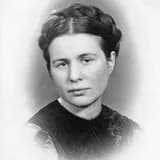
Sendler was appointed head of the Children's Department of the underground Council to Aid Jews (Żegota), coordinating rescue operations for Jewish children.
In October 1943, following the brutal liquidation of the Warsaw Ghetto and the crushing of the Ghetto Uprising earlier that year, Irena Sendler was formally appointed head of the Children's Department of Żegota, the Polish Council to Aid Jews. Żegota was a unique underground organization, the only one of its kind in Nazi-occupied Europe, dedicated specifically and officially to aiding Jews at a time when doing so carried an automatic death sentence under German occupation law.
As head of the Children's Department, Sendler oversaw and expanded a clandestine network of social workers, couriers, and sympathetic religious institutions who smuggled Jewish children out of the ghetto and placed them with Polish foster families, orphanages, and convents. She meticulously recorded the true identities and new names of rescued children on thin cigarette papers, which she buried in jars beneath an apple tree in a neighbor's garden, intending to reunite the children with their families or heritage after the war.
This appointment formalized and amplified rescue work Sendler had already been conducting informally under the code name "Jolanta" since the ghetto's establishment. Her leadership at Żegota is credited with coordinating the survival of approximately 2,500 Jewish children, making it one of the largest child-rescue operations of the Holocaust. Her role exemplified extraordinary moral courage and organizational skill under mortal danger, cementing her legacy as one of the era's greatest humanitarians.