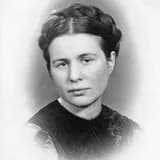
Irena Stanisława Krzyżanowska was born in Warsaw, then part of the Russian Empire, later becoming a renowned rescuer of Jewish children during the Holocaust.
Irena Stanisława Krzyżanowska was born on February 15, 1910, in Warsaw, then under Russian imperial rule. She was the only child of Stanisław Krzyżanowski, a physician, and Janina Karolina Grzybowska. Her father treated poor patients, including many Jewish families, often without charge, and instilled in young Irena a deep sense of compassion and social responsibility that would define her adult life.
Her father died in 1917 of typhus contracted from patients he refused to abandon, an event that profoundly shaped Irena's worldview. The Jewish community, grateful for his service, reportedly offered to pay for her education. This early exposure to selflessness and interfaith solidarity planted the seeds for what would become one of the most extraordinary humanitarian efforts of the twentieth century.
Irena would go on to study Polish literature and social work, eventually becoming a senior administrator in the Warsaw Social Welfare Department. When Nazi Germany invaded Poland in 1939 and later sealed hundreds of thousands of Jews into the Warsaw Ghetto, Sendler's childhood values of empathy and courage translated into direct, life-risking action, ultimately saving the lives of approximately 2,500 Jewish children.
Her birth marks the beginning of a life that would later earn her recognition as one of the most significant rescuers of the Holocaust, later celebrated worldwide through the "Life in a Jar" project and numerous honors.