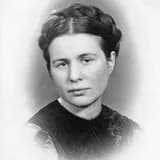
Yad Vashem formally recognized Irena Sendler as Righteous Among the Nations, honoring her rescue of thousands of Jewish children during the Holocaust.
On October 19, 1965, Yad Vashem, Israel's official memorial to the victims of the Holocaust, formally recognized Irena Sendler as one of the Righteous Among the Nations, the highest honor Israel bestows upon non-Jews who risked their lives to save Jews during the Holocaust. A tree was planted in her honor along the Avenue of the Righteous at Yad Vashem in Jerusalem, a living tribute to her courage and sacrifice.
This recognition came decades before Sendler's story achieved widespread international fame through the "Life in a Jar" project in the late 1990s, showing that her heroism was documented and honored by Holocaust historians and survivors well before her broader public recognition. The designation required rigorous historical verification of her wartime actions, including testimony from survivors and documentation of her leadership within Żegota's Children's Department.
Being named Righteous Among the Nations placed Sendler among a select group of individuals—including figures like Oskar Schindler—who defied Nazi terror to preserve Jewish lives at extraordinary personal risk. For Sendler, who had been arrested, tortured, and sentenced to death by the Gestapo for her activities, this recognition validated decades of quiet, dangerous work that she rarely spoke about publicly during the postwar communist era in Poland, when such actions were not officially celebrated.
The honor cemented her permanent place in Holocaust remembrance and paved the way for later international accolades, including nomination for the Nobel Peace Prize.