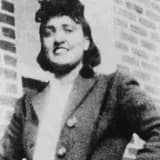
On October 13, 2021, the WHO formally honored Henrietta Lacks in Geneva, recognizing her posthumous contribution to global health via HeLa cells.
On October 13, 2021, the World Health Organization held a special ceremony in Geneva, Switzerland, to formally honor Henrietta Lacks, seventy years after her death and the unauthorized taking of her cells. WHO Director-General Dr. Tedros Adhanom Ghebreyesus presented the WHO Director-General's Award to Lacks' living descendants, including her grandsons, in recognition of her posthumous contribution to global health and science.
This ceremony marked a significant moment of institutional acknowledgment for Henrietta Lacks, whose cells had contributed to countless medical advances—including vaccines, cancer treatments, and, most recently, COVID-19 vaccine research—without her knowledge or consent, and without compensation to her family for seventy years.
The recognition was notable for explicitly addressing the racial and ethical injustices embedded in her story: as a Black woman treated in a segregated hospital ward in 1950s America, Henrietta had no opportunity to consent to the use of her cells, and her family lived for decades without financial benefit despite the immense value HeLa cells generated for pharmaceutical and research industries.
This event represented a broader reckoning within global scientific and health institutions regarding consent, race, and equity in medical research, and it helped cement Henrietta Lacks' legacy not just as an unwitting scientific contributor, but as a named, honored historical figure in her own right.