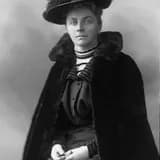
On 13 October 1926 Hobhouse's ashes were ceremonially interred at the National Women's Monument, Bloemfontein, honoring her work for Boer women and children.
On 13 October 1926, four months after her death, Emily Hobhouse's ashes were ceremonially interred at the base of the National Women's Monument in Bloemfontein, South Africa — the very memorial she had helped bring into being to honour the Boer women and children who perished in British concentration camps during the South African War.
The interment ceremony was attended by prominent South African political and civic figures and was treated as a solemn state occasion, reflecting the profound gratitude and affection the Afrikaner community held for Hobhouse. It was an extraordinary honour for an Englishwoman to be laid to rest within a monument commemorating the suffering inflicted, in part, by her own country's military policy.
This event cemented Hobhouse's unique historical position as a bridge figure between British and Afrikaner communities — a British subject embraced as a national heroine by the very people against whom Britain had waged war. Her final resting place at the monument stands as an enduring symbol of reconciliation, conscience, and the power of individual moral courage to transcend national and wartime enmities. To this day, the site remains a place of pilgrimage and remembrance, and Hobhouse is honoured annually in South Africa for her humanitarian legacy.