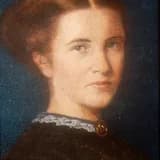
Elizabeth Garrett Anderson died in Aldeburgh, Suffolk, aged 81, after a lifetime of pioneering achievements in medicine and public life.
Elizabeth Garrett Anderson died on 17 December 1917 in Aldeburgh, Suffolk, the town of her birth and later mayoralty, at the age of 81.
She died having witnessed enormous change in the position of women in British society and medicine, much of which she herself had directly brought about. By the time of her death, women had been formally admitted to medical degrees at British universities, the London School of Medicine for Women (which she co-founded) was a firmly established institution, and the campaign for women's suffrage—led in significant part by her own sister, Millicent Fawcett—was nearing its final victory, with limited women's suffrage achieved in 1918, the year after her death.
Her death was marked with tributes recognizing her as one of the most consequential figures in the history of British women's rights and medicine. She was buried in Aldeburgh, and her legacy was subsequently commemorated through the naming of the Elizabeth Garrett Anderson Hospital in London and, much later, University College London's Elizabeth Garrett Anderson building and other honors.
Her life's work—qualifying as Britain's first female physician, founding hospitals and medical schools for women, and becoming the country's first female mayor—left an indelible mark on British society, opening pathways for generations of women in medicine and public life who followed her example.