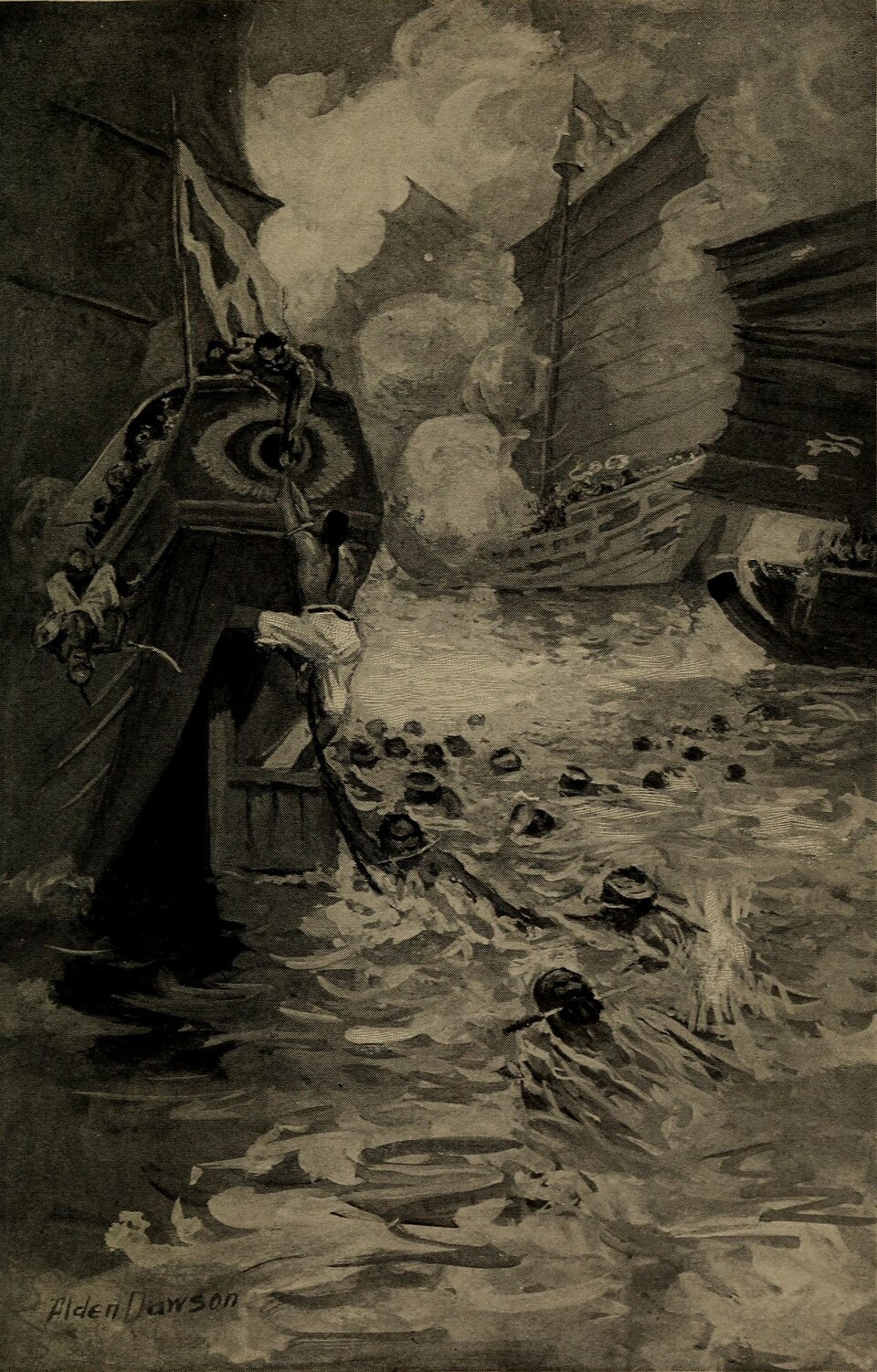
Ching Shih negotiated a formal surrender to the Qing dynasty, securing amnesty for the vast majority of her pirate fleet in one of history's most successful pirate retirements.
On April 20, 1810, Ching Shih personally walked into the office of the Chinese Viceroy, unescorted and unarmed, to negotiate the terms of her surrender to the Qing Empire. After years of successfully repelling naval fleets from China, Portugal, and Britain, she recognized that internal fractures within her pirate confederation and increasing pressure made a negotiated peace more advantageous than continued conflict.
The terms she secured were extraordinarily favorable: of the approximately seventeen to eighty thousand pirates under her command, only a small fraction faced punishment. Most were allowed to keep their plundered wealth, and many former pirates were even permitted to keep their weapons and boats to become fishermen or join the Qing military. Ching Shih herself was permitted to retain her fortune and was not imprisoned.
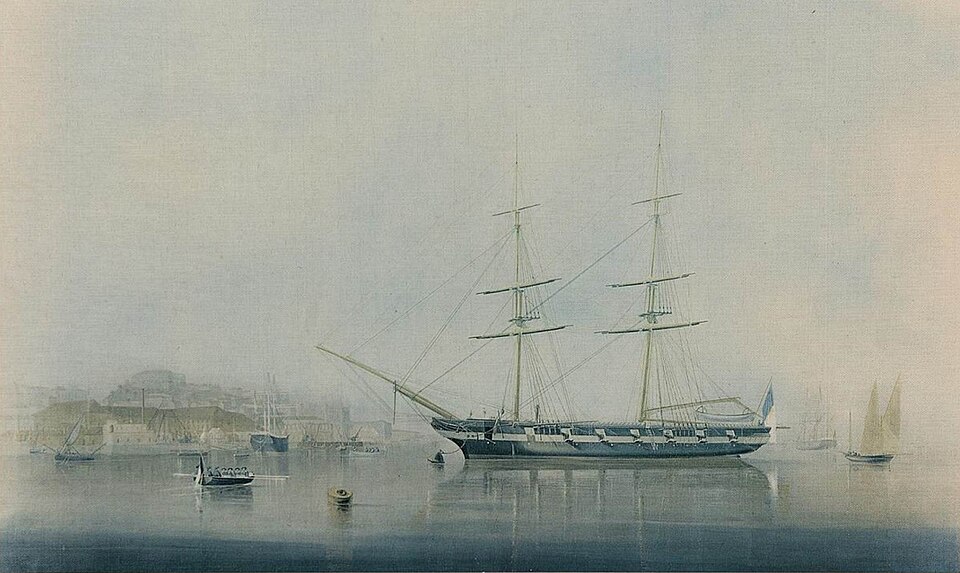
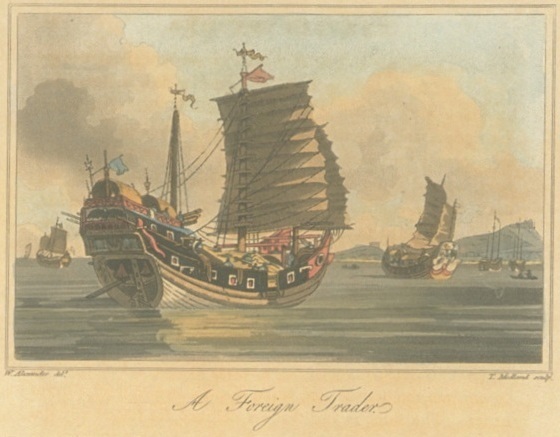
This event is historically significant as it marked the peaceful dissolution of the largest pirate confederation in history, one that at its peak commanded over 1,800 ships and tens of thousands of pirates — far outnumbering contemporary national navies. Her ability to negotiate from a position of strength, rather than being defeated militarily, underscores her exceptional leadership and political acumen. It stands as a rare example of a criminal organization's leader dictating terms to an imperial government rather than the reverse, cementing her legacy as one of the most formidable commanders, male or female, in maritime history.
Images