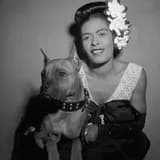
Her performance of "Strange Fruit" becomes the earliest prominent anti‑lynching protest song in U.S. popular music.
Also on 20 April 1939, with the Café Society debut of "Strange Fruit", Billie Holiday effectively introduced what scholars widely regard as the earliest prominent anti‑lynching protest song in U.S. popular music.
Though protest songs had long existed in labor, folk, and spiritual traditions, "Strange Fruit" was unprecedented in its graphic depiction of lynching and its performance in a mainstream nightclub context. Holiday’s interpretation transformed Abel Meeropol’s poem into a chilling, slow‑moving lament that brought the realities of racial terror into a commercial entertainment space. The song’s shocking imagery and Holiday’s emotionally controlled delivery forced audiences—many of them white and relatively insulated from such violence—to confront the brutality of Jim Crow.
Music historians and institutions such as the Kennedy Center now cite "Strange Fruit" as a forerunner of the civil‑rights anthem, predating the more widely known protest songs of the 1950s and 1960s. Its prominence and the controversy it generated also drew unwanted attention from law enforcement and federal authorities, who associated Holiday’s performance of the song with political dissent. By making "Strange Fruit" central to her repertoire, Holiday set a precedent for Black popular artists using their platforms to challenge state‑sanctioned racism, influencing later generations from Nina Simone to contemporary protest singers.