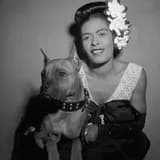
Nightclub debut of "Strange Fruit" at Café Society, introducing a stark anti‑lynching song to popular audiences.
On 20 April 1939, at Café Society in Greenwich Village, Billie Holiday gave the first nightclub performances of "Strange Fruit", a searing anti‑lynching song with lyrics by teacher and poet Abel Meeropol.
Café Society’s owner Barney Josephson agreed to Holiday’s insistence on a special staging: the waiters stopped serving, the room went dark except for a spotlight on her face, and there was no encore after the song. Holiday’s haunting delivery of lines like "black bodies swinging in the Southern breeze" stunned audiences. Many patrons were initially shocked or unnerved, unused to explicit depictions of racial terror in a nightclub setting associated with entertainment and escapism.
This debut is widely regarded as a turning point in American popular music and Black protest culture. It demonstrated that a popular singer could use the nightclub stage to confront racial violence directly, not just to provide diversion. For a Black woman performer in 1939, taking such a public stand carried real professional and personal risk, including industry pushback and surveillance by authorities. Holiday’s decision to sing "Strange Fruit" at Café Society thus marks an early, influential act of musical activism that paved the way for later protest songs in the civil‑rights era.