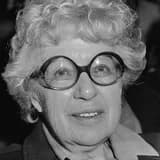
Schmidt's stage revue work with composer Cor Lemaire helped establish her as a leading voice in Dutch cabaret and theatre writing in the 1950s.
During the early 1950s, Annie M. G. Schmidt became one of the most prolific and celebrated writers for Dutch cabaret and revue theatre, collaborating extensively with composers such as Cor Lemaire and directors of the famous Amsterdam cabaret ensembles. Her witty, satirical lyrics and sketches brought a fresh, irreverent voice to postwar Dutch popular theatre.
Her revue writing in this period, exemplified by productions staged in Amsterdam theatres, showcased her singular ability to blend humor, social commentary, and lyrical wordplay — skills that she would later transfer into her enormously successful children's books and songs. This theatrical apprenticeship period was crucial in shaping the tone that made her later work, including the television and radio programs like Ja zuster, nee zuster, so distinctive.
Her contributions to Dutch cabaret in the early-to-mid 1950s represented an important, though sometimes overlooked, phase of her career, coming before her breakthrough into internationally translated children's literature. It cemented her reputation among Dutch audiences as a sharp, funny, and technically brilliant writer of light verse and dialogue, well before she became known abroad.
This period of theatrical work laid essential groundwork for her subsequent dominance of Dutch popular culture across print, radio, television, and stage for the following four decades.