← All women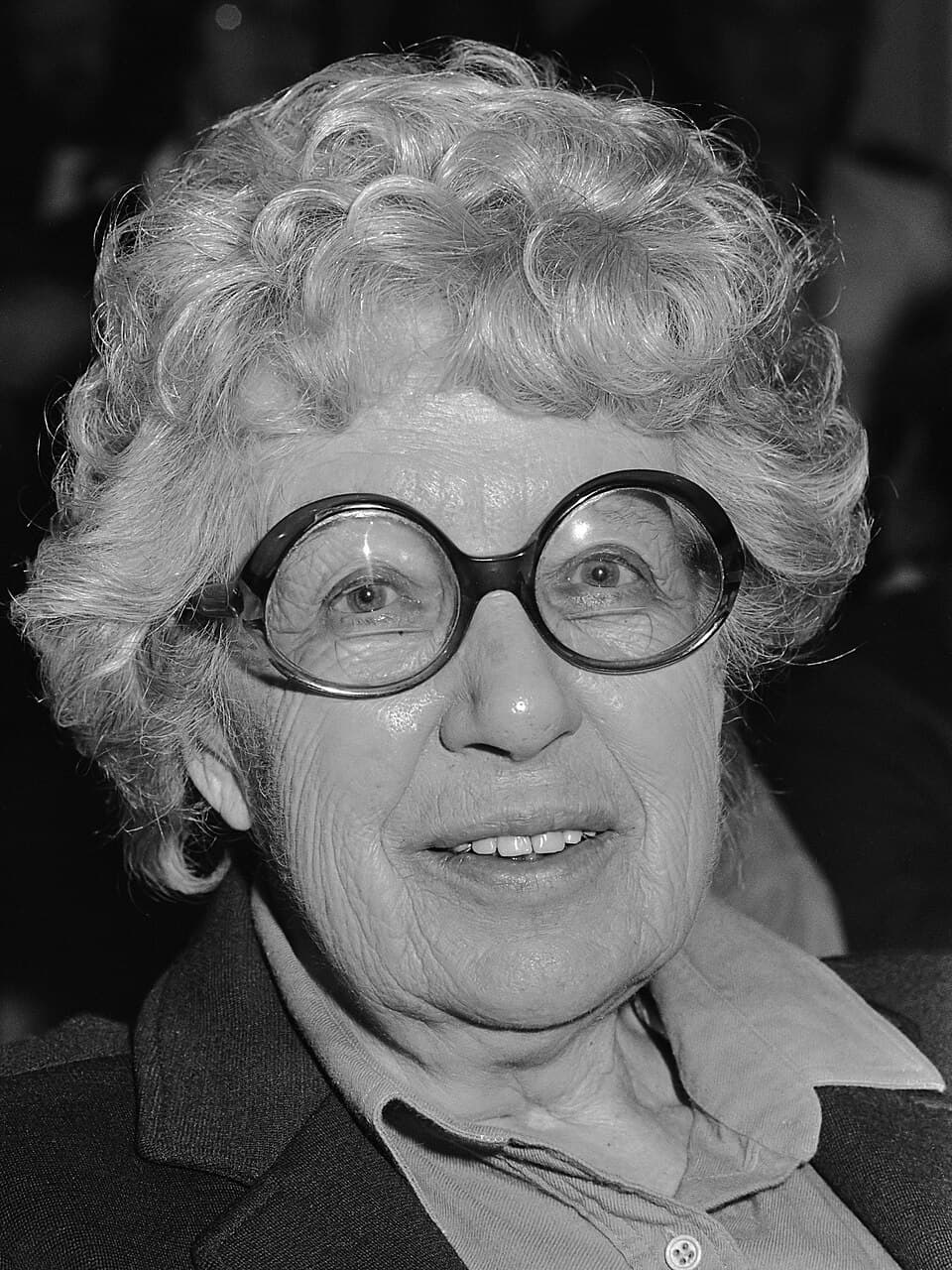
Dutch · Literature · Arts
Annie M. G. Schmidt
May 20, 1911 – May 21, 1995
Early Life and Background
Annie Maria Geertruida Schmidt was born on May 20, 1911, in Kapelle, Netherlands. She was the daughter of Jan Schmidt, a minister, and Clasina Gesina van den Brink. Growing up in a small, tight-knit village, Annie found refuge in the world of books and storytelling during her formative years. Her father encouraged her reading, providing her access to a local library, which ignited her passion for literature and writing.
Career Beginnings and Development
Schmidt moved to The Hague in the early 1930s to work as a librarian, a role she maintained until the late 1940s. Her early forays into writing included penning poems and short stories for magazines. However, it was her role as the editor of the women's supplemental section of the Dutch newspaper 'Het Parool' that set her on the path to literary prominence.
Her breakthrough came in 1950 when she started writing her immensely popular series of children's books, starting with 'Jip en Janneke', which revolved around the adventures of two childhood friends. This series endeared her to the Dutch public and established her as a seminal figure in children's literature.
Major Works and Achievements
Annie M.G. Schmidt's repertoire extended beyond books, including musicals, television, and radio plays. One of her last major works, 'Abeltje', was published in 1953, showcasing her whimsical style. Additionally, her collaboration with illustrator Fiep Westendorp became legendary, producing timeless classics loved by generations.
Awards, Honors, and Recognition
Schmidt's contributions to literature were recognized internationally when she received the Hans Christian Andersen Award for Writing in 1988, regarded as the Nobel Prize of children's literature. Her works were known for their wit, unconventionality, and subversion of traditional norms, which resonated profoundly in post-war Dutch society.
Personal Life
Annie married Dick van Duyn in 1946, and they had one son, Flip. Her personal relationships significantly influenced her work, although she typically maintained a separation between her personal and professional lives.
Legacy and Impact
Referred to as the "Queen of Dutch Children's Literature", Annie M.G. Schmidt left an indelible mark with her work, which celebrated children's inquisitiveness and freedom in a previously conservative culture. Her approachable, lively prose continues to influence Dutch literature, and her stories remain staples in Dutch households.
Later Life and Death
In her later years, Schmidt continued to write, though her output diminished due to health issues. She passed away peacefully on May 21, 1995, in Amsterdam, leaving a cherished legacy that continues to be discovered by new generations.
Dated achievements
4 indexed.
- May201911Literature
Birth of Annie M. G. Schmidt in Kapelle, Netherlands
Annie Maria Geertruida Schmidt was born on 20 May 1911 in Kapelle, Zeeland, the Netherlands, daughter of a Dutch Reformed minister.
View details Wikipedia - Annie M.G. Schmidt - Oct031953Arts
Premiere of the musical revue Heden ik, morgen gij
Schmidt's stage revue work with composer Cor Lemaire helped establish her as a leading voice in Dutch cabaret and theatre writing in the 1950s.