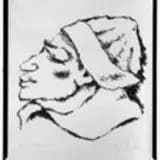
Anne Hutchinson helped establish the settlement of Portsmouth on Aquidneck Island, becoming one of the founding figures of what would become Rhode Island.
By late April 1638, Anne Hutchinson, her husband William, and a substantial group of followers had reached Aquidneck Island (later Rhode Island) and taken part in founding the settlement of Portsmouth. This achievement, often dated to around April 30, 1638, marks Hutchinson's transformation from a persecuted dissenter into one of the founding figures of a new colonial community explicitly premised on religious toleration.
The Portsmouth Compact, signed by Hutchinson's husband and other male settlers, established a civil government separate from any single church, an extraordinary departure from the theocratic model of Massachusetts Bay. While formal political office was closed to her as a woman, Hutchinson was the spiritual and intellectual driving force behind the migration and the community's founding ethos, and she continued to hold religious gatherings and exert leadership influence within the settlement.
This event is widely regarded as a genuine historical first: Hutchinson is remembered as one of the earliest women in American colonial history credited with helping to found a permanent settlement, and Portsmouth's founding is considered a cornerstone in Rhode Island's enduring identity as a refuge for religious minorities and free thinkers, a legacy later cemented by Roger Williams's colony-wide charter guaranteeing liberty of conscience.