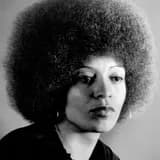
Davis was arrested in New York after weeks as a fugitive, having been placed on the FBI's Ten Most Wanted Fugitives list in connection with the Marin County courthouse incident.
On October 13, 1970, FBI agents arrested Angela Davis at a Howard Johnson's motel in New York City, ending a two-month manhunt after she had been placed on the FBI's Ten Most Wanted Fugitives list—only the third woman in history to appear on it. She had gone underground after guns registered in her name were used in an August 7, 1970 armed takeover of a Marin County, California courtroom, which resulted in the deaths of a judge and three others.
Davis was not present at the courthouse but was charged with conspiracy, kidnapping, and murder due to her ownership of the firearms, which had been purchased for her personal protection amid death threats she received as a prominent activist. Her arrest and subsequent 16-month incarceration—much of it in solitary confinement—became an international cause célèbre. A global 'Free Angela Davis' movement emerged, with supporters including John Lennon and Yoko Ono (who wrote the song 'Angela'), the Rolling Stones, and activists worldwide, including a resolution of support from the Soviet Union and East Germany.
The case highlighted deep controversies about political persecution, the treatment of Black radicals by the state, and the American criminal justice system. Her eventual trial and acquittal in 1972 by an all-white jury became a landmark moment in the history of American civil rights and radical politics, cementing her status as a global icon of resistance against racial and political oppression.