← All women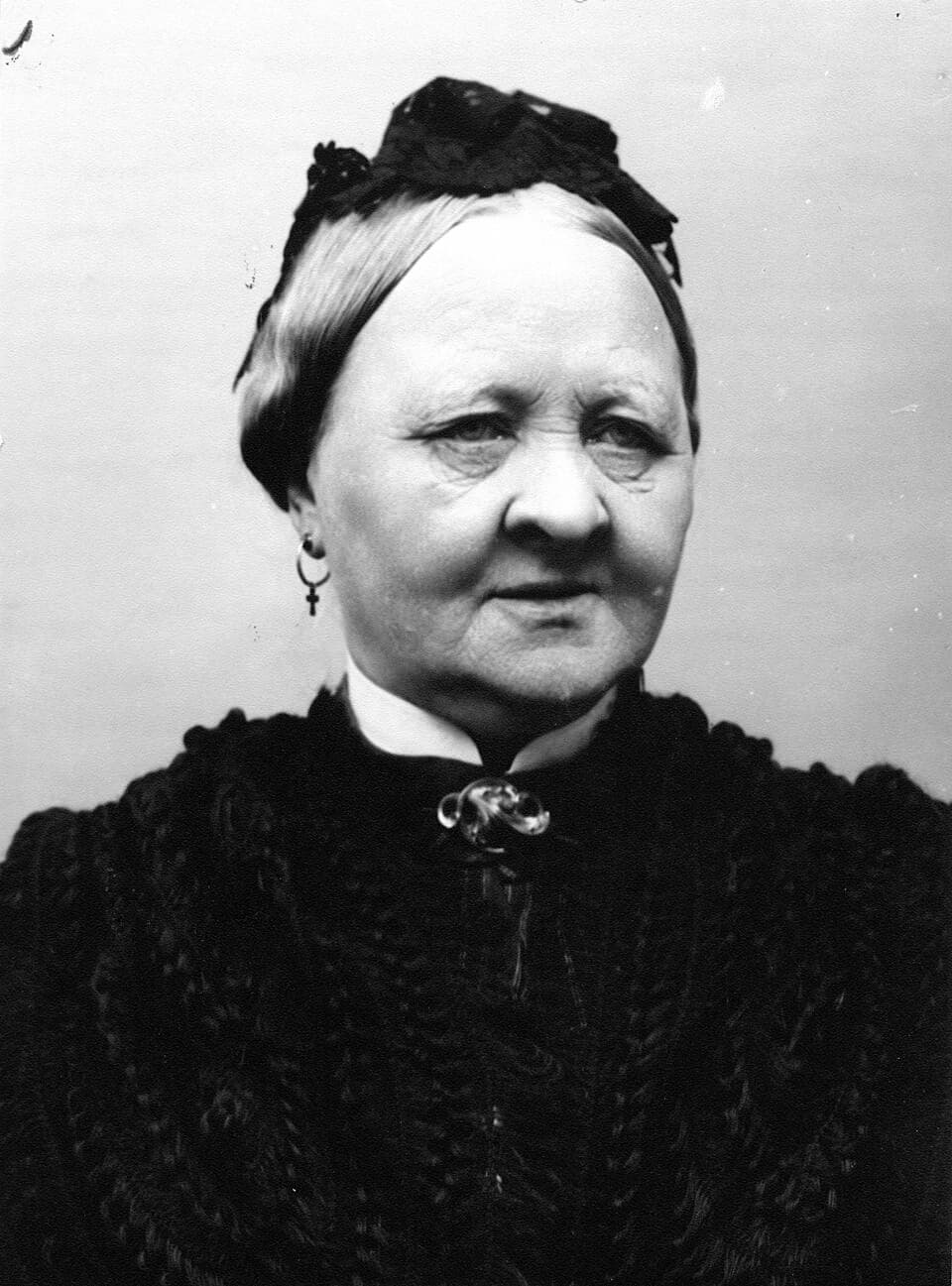
Swedish · Arts
Amalia Eriksson
November 25, 1824 – January 19, 1923
Early Life and Background
Amalia Eriksson was born on November 25, 1824, in Jönköping, Sweden, to parents Lars Johan Törnqvist and Ingrid Törnqvist. Growing up in a period marked by economic hardship and limited opportunities for women, Amalia's early life was shaped by the challenges of poverty and the loss of her parents to a cholera outbreak. She moved to Gränna for work and eventually settled there.
Career Beginnings and Development
Amalia's entrepreneurial journey began under difficult circumstances. Upon the death of her young husband, Anders Ericsson, in 1858, she was left to care for an infant daughter, Ida. In 1859, Eriksson sought permission from local authorities to open a bakery business, a rare endeavor for a woman at that time. With scant resources, she began producing the 'polkagris', a peppermint-flavored candy stick.
Major Works, Discoveries, and Accomplishments
Eriksson's invention of the polkagris in 1859 marked a significant entrepreneurial achievement. The candy quickly gained popularity beyond Gränna, attracting visitors and stimulating the local economy. Despite her limited initial means, Eriksson’s business acumen and innovative approach drove her success. The unique striped peppermint flavor became iconic in Swedish culture, synonymous with the quaint town of Gränna.
Awards, Honors, and Recognition
While Amalia did not receive formal awards during her lifetime due to the era's gender norms, her pioneering spirit was recognized posthumously. The Amalia Eriksson memorial, a statue in Gränna, honors her contribution to Sweden's cultural and gastronomic heritage.
Personal Life
Eriksson's personal life was marked by resilience. Widowed shortly after marriage, she single-handedly raised her daughter, emphasizing the importance of perseverance and innovation. Her reputation as a formidable businesswoman grew, securing her legacy as one of the earliest female entrepreneurs in Sweden.
Legacy and Historical Impact
Amalia Eriksson is celebrated as a trailblazer, overcoming societal barriers to create an enduring legacy. Her polkagris invention not only popularized the candy itself but catalyzed tourism and economic growth in Gränna. Her story inspires countless women entrepreneurs, reflecting the potential for women to influence traditionally male-dominated industries.
Later Life and Death
Amalia Eriksson continued her candy-making business well into her later years. She remained a central figure in her community until her death on January 19, 1923, at the age of 98. She left behind a legacy of entrepreneurship and innovation, celebrated annually in Gränna during the Polkagris Festival.
Dated achievements
3 indexed.
- Oct131824Science
Birth of Amalia Eriksson in Gränna, Sweden
Amalia Eriksson was born on 13 October 1824 in Tofteryd parish near Gränna, Sweden.
View details Amalia Eriksson - Wikipedia - Aug231859Science
Granted a rare business license as a widow to sell confectionery in Gränna
Widowed and pregnant, Amalia Eriksson received a special royal dispensation on 23 August 1859 to run a bakery/confectionery business in Gränna.