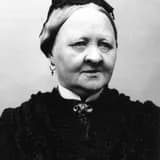
Amalia Eriksson died on 15 December 1923 in Gränna, Sweden, having built a lasting confectionery legacy.
Amalia Eriksson died on 15 December 1923 in Gränna, the small Swedish town where she had spent most of her adult life and built her celebrated confectionery business. She lived to the age of 99, an unusually long life for the era, allowing her to witness the polkagris candy she invented become a beloved and enduring symbol of the town.
By the time of her death, the polkagris — a red-and-white striped peppermint stick candy she created around 1859 — had become firmly established as Gränna's signature product and a cherished part of Swedish confectionery tradition. Her business acumen and the popularity of her invention had transformed the small town into a destination associated with the candy, a status it retains to this day, with numerous polkagris shops still operating there.
Eriksson's death marked the end of a remarkable life that began in poverty and widowhood but culminated in lasting cultural and economic legacy. She is remembered as a pioneering businesswoman who, against the legal and social constraints faced by women in nineteenth-century Sweden, built a thriving enterprise from a single sweet recipe. A statue in her honor stands in Gränna today, commemorating her contributions, and her story continues to be told in Swedish business and women's history as an example of resilience and innovation.