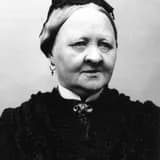
Widowed and pregnant, Amalia Eriksson received a special royal dispensation on 23 August 1859 to run a bakery/confectionery business in Gränna.
After the sudden death of her husband, baker Anders Eriksson, in 1859, Amalia Eriksson was left widowed and pregnant with their only child. Swedish law at the time heavily restricted women's rights to conduct independent business; unmarried and widowed women needed special permission to operate commercially, particularly in trades traditionally reserved for guild-regulated male tradesmen such as baking and confectionery.
On 23 August 1859, Amalia was granted a rare and specific dispensation allowing her to run a bakery and confectionery shop in Gränna despite lacking formal guild membership. This was an extraordinary achievement in a legal and social climate where women's economic agency was tightly controlled. The permission effectively enabled her to become self-supporting and to provide for her daughter, Ida, at a time when widows without such rights often fell into poverty or dependence on relatives or parish charity.
This legal milestone set the stage for her later invention of the famous polkagris candy and her establishment as one of Sweden's earliest recognized female entrepreneurs. Her business venture, born of necessity, became a foundational moment in Swedish women's economic history, illustrating how individual women navigated and occasionally overcame restrictive legal frameworks of the nineteenth century.