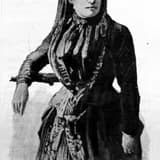
Death of Zsófia Torma in Szászváros after a pioneering career in archaeology, anthropology, and paleontology.
14 November 1899 marks the death of Zsófia Torma in Szászváros (today Orăștie, Romania), closing a career that had transformed the study of prehistory in Transylvania. She died after decades of excavation, collection, correspondence, and publication devoted to archaeology, anthropology, and paleontology.
Her death was historically significant because it came at the end of a life in which she had helped establish the seriousness of prehistoric research in the region. By then, her archaeological collection from Turdaș–Luncă and other sites had already become a reference point for nineteenth-century European prehistory. The body of work she left behind outlived the limits of the institutions that had excluded women from formal training and positions of power.
Torma’s death also marks a transition in her posthumous reputation. Later scholars increasingly identified her as the first female archaeologist in Hungary, Austria-Hungary, and present-day Romania, and possibly the first in Central and Eastern Europe. The barriers she faced in life—restricted university access, gendered skepticism, and the need for self-education—became central to the way her legacy was remembered. Her death closed the biography, but not the historical influence of her discoveries.