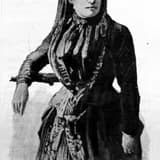
Torma begins the first excavations at Turdaș–Luncă (Tordos), becoming the first person to excavate this important prehistoric site.
In October 1875, Zsófia Torma began the first excavations at Turdaș–Luncă (Tordos), a prehistoric settlement that would become central to her reputation. The exact day is not preserved in the sources consulted, but the work is documented as beginning in the autumn of that year. This was a genuinely barrier-breaking act: Torma was not only excavating a major Neolithic and Copper Age site, she was doing so as a woman working outside the normal channels of university archaeology.
The significance of this first excavation lies in both method and result. Torma approached the site with sustained observation, collection, and documentation, building a body of evidence that later scholars would recognize as foundational for prehistoric archaeology in Transylvania. Her work at Turdaș–Luncă also helped bring attention to the region’s rich Neolithic record and to the distinctive material culture associated with the site, including pottery and objects that would later be discussed in relation to the broader Vinča/Tordos horizon.
For nineteenth-century scholarship, the excavation demonstrated that serious field archaeology could be carried out by a self-taught woman with intellectual independence and persistence. It opened a path for later archaeological interpretation in the region and secured Torma’s place among the pioneers of prehistoric research in Central and Eastern Europe.