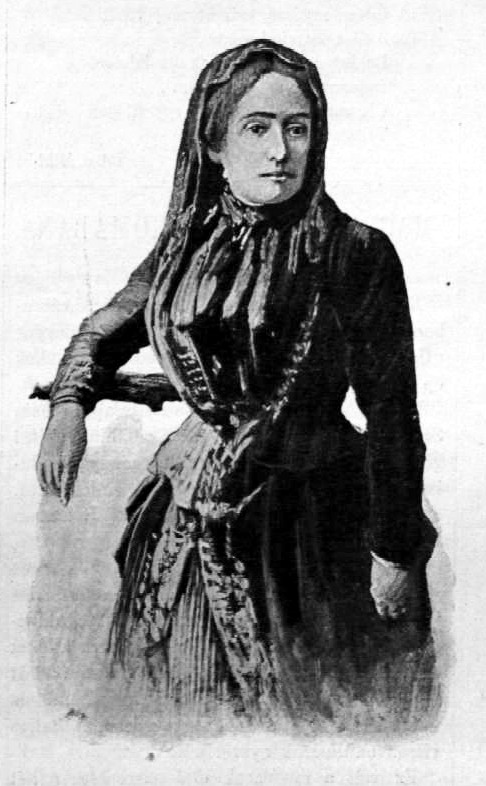
Birth of Zsófia Torma in Csicsókeresztúr, Transylvania. She would become a pioneering archaeologist and one of the earliest women to build an archaeological career in Europe.
26 September 1832 marks the birth of Zsófia Torma in Csicsókeresztúr, in the Habsburg-ruled lands that later became part of Romania. Born into a noble Transylvanian family, she grew up in a social world that offered women very limited access to formal scientific training, yet the intellectual and linguistic resources of her environment helped shape her later scholarly work.
Torma’s birth is historically significant because it precedes the emergence of women as professional archaeologists by decades. In the nineteenth century, archaeology was still developing as a discipline, and women were generally excluded from universities, learned societies, and fieldwork. Torma would later overcome those barriers through self-education, private study, and independent research, becoming a pioneering figure in prehistoric archaeology in Transylvania and one of the earliest women in Europe to pursue archaeology in a sustained, scholarly way.
Her life became a case study in how educated elite women could carve out authority in a male-dominated scholarly culture, not through institutional access but through persistence, publication, and field discovery. Later historians have treated her birth as the starting point for a career that helped define the study of the prehistoric past in Central and Eastern Europe.
Images