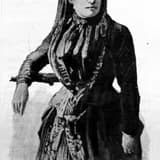
Torma becomes the first woman to receive an honorary doctorate from the Kolozsvár university’s Faculty of Arts.
24 May 1899 marks one of the highest formal honors of Zsófia Torma’s career: she was named an honorary doctor by the Faculty of Arts of the Kolozsvári m. kir. Ferencz József Tudományegyetem (today Babeș-Bolyai University). Sources identify her as the first woman to receive this distinction from the institution.
The award was historically significant because it publicly recognized a woman scholar in a university culture that had long excluded women from full participation. Even though Torma’s education was largely self-directed and she worked outside the conventional academic ladder, the honorary doctorate acknowledged the importance of her archaeological research and the authority she had earned through decades of work.
Coming shortly before her death, the honor also symbolized the institutional acceptance of her legacy while she was still alive to receive it. It reflected not only her personal achievements but also a broader shift in how scholarly institutions could respond to women’s intellectual labor. For later women researchers, her honorary doctorate became an emblem of the slow opening of academic recognition in Central Europe.