← All women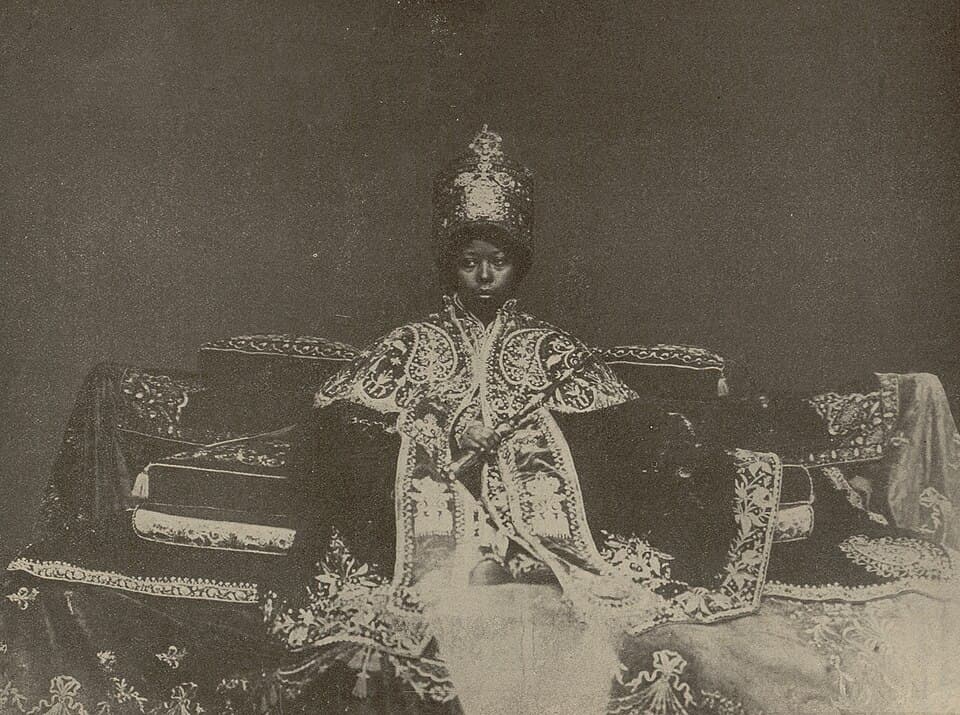
Ethiopian · Politics
Zewditu
1876 – April 2, 1930
Early Life and Background
Zewditu was born in 1876 into the Ethiopian imperial lineage as the daughter of Emperor Menelik II and Weyzaro Abechi. Her role in the royal family was marked from the start, positioned between traditional responsibilities and emerging influences of modernization that characterized late 19th-century Ethiopia. Little is known about her formal education, but she was raised with strong religious and traditional values which heavily influenced her later political strategies and ruling style.
Career Beginnings and Development
Zewditu's early life was woven into the fabric of Ethiopian politics. Married multiple times for strategic alliances, she was initially sidelined politically by her father, who prioritized his own consolidation of power. However, the landscape shifted dramatically with her father's declining health and political maneuvers by various factions, setting the stage for Zewditu's ascension.
Reign as Empress
In 1916, Zewditu became Empress of Ethiopia following the dethronement of Iyasu V. This was a time when Ethiopia was struggling to maintain its sovereignty amidst colonial pressures. Her reign was defined by an adherence to traditional Ethiopian Orthodox principles while navigating the demands of modernization. Although largely viewed as a figurehead with Ras Tafari (later Emperor Haile Selassie I) holding substantial power, her leadership marked the first time a woman ruled in such a capacity in 20th-century Africa.
Challenges and Governance
Empress Zewditu's reign was fraught with difficulties, including internal power struggles, pressure from colonial powers, and balancing the open rivalry between modernists and traditionalists. She supported a cautious policy in foreign relations, worked towards preserving Ethiopian sovereignty, and attempted to maintain peace and stability.
Personal Life and Legacy
Zewditu's personal life was reflective of her political one, filled with strategic marriages. Despite her positions of power, much of her rule was influenced by others, at times constrained by a male-dominated advisory council. Her devotion to the Ethiopian Orthodox Church shaped her policies, although it also limited her capacity to engage with more progressive ideas that were burgeoning at the time.
Later Life and Death
Empress Zewditu passed away on April 2, 1930, amidst ongoing political transitions that would eventually lead to the rise of Haile Selassie I. Despite her death marking the end of an era, her legacy as the only female Solomonic ruler of 20th-century Ethiopia remains impactful, offering a narrative of resistance and cultural preservation during a time of significant change.
Impact and Historical Significance
Empress Zewditu remains a significant historical figure as she navigated complex political landscapes while maintaining Ethiopia's sovereignty to a large extent. Her reign is symbolic of the challenges faced by female leaders attempting to govern within patriarchal and colonial constraints. Her life and rule offer insights into Ethiopian history, gender politics, and the workings of power in early 20th-century Africa.
Dated achievements
4 indexed.
- Apr291876Science
Birth of Zewditu
Zewditu was born on April 29, 1876, in Yerer, Ethiopia, the daughter of Emperor Menelik II.
View details Zewditu - Wikipedia - Sep271916Science
Proclaimed Empress of Ethiopia
Zewditu was proclaimed Empress of Ethiopia on September 27, 1916, becoming the first woman to head an internationally recognized African state.