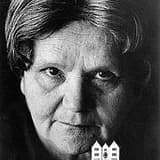
Zelda died on 30 March 1984 in Jerusalem, mourned as one of Israel's most beloved and spiritually resonant modern Hebrew poets.
Zelda Mishkovsky died on March 30, 1984, in Jerusalem, the city that had been her home for most of her adult life and the wellspring of much of her poetic imagery. By the time of her death, she had become one of the most widely read and deeply loved poets in modern Hebrew literature, admired across the religious-secular divide that so often segments Israeli cultural life.
Her passing was met with widespread mourning and tribute across Israeli society. Unlike many modernist poets of her generation who wrote from secular, urban, and often ideologically Zionist perspectives, Zelda's verse — intimate, mystical, and rooted in Jewish tradition and personal loss — had found an unusually broad readership, from secular literary critics to religious households where her poems were read alongside sacred texts.
Several of her poems were later set to music and became staples of Israeli song, further cementing her legacy long after her death. Streets, schools, and cultural institutions in Israel have been named in her honor, and her work continues to be taught in Israeli schools and universities as a central pillar of 20th-century Hebrew poetry. Her death marked the end of a singular literary voice that had managed to bridge Orthodox Jewish spirituality with the modern Hebrew poetic revival, leaving behind a body of work — including collections such as Pnai (1967), Halo Harechokim (1971), and others — that continues to influence generations of Israeli poets and readers.