← All women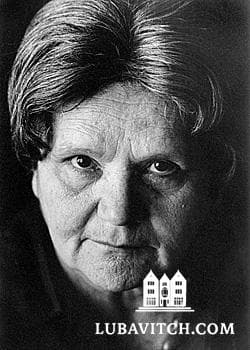
Israeli · Literature
Zelda Mishkovsky
June 20, 1914 – April 30, 1984
Early Life and Background
Zelda Mishkovsky, widely known by her first name Zelda, was born on June 20, 1914, in Chernihiv, then part of the Russian Empire, now in Ukraine. Her family was deeply rooted in Jewish mysticism and spirituality, factors that profoundly influenced her later work. Her father, Sholom-Shachne (Sasha) Schneurson, was a cousin to the Lubavitcher Rebbe, a significant figure in the Chabad-Lubavitch movement.
The family moved to Jerusalem when Zelda was still young, providing her with an environment rich in historical and spiritual resonance. She attended religious schools in Jerusalem, where her literary talents began to flourish amidst the city's vibrant cultural backdrop.
Career Beginnings and Development
Zelda began writing poetry in the 1940s, at a time when Hebrew poetry was undergoing significant transformation. Despite the earlier works remaining unpublished, her poetry quickly found an audience through publications in literary magazines in the 1950s.
Major Works, Discoveries, and Accomplishments
Her first book, Pnivim ("Glimpses"), published in 1967, brought her widespread attention. Zelda's poetry is marked by its contemplative tone and spiritual depth, often exploring themes of faith, identity, and the esoteric aspects of the human experience. Her subsequent collections, such as Kli Cheres and Ayyin Kota, solidified her reputation as a leading modern Hebrew poet.
Awards, Honors, and Recognition Received
Throughout her career, Zelda received numerous accolades that confirmed her status as a critical figure in Israeli poetry. Although she was oftentimes reclusive, her work resonated deeply with both secular and religious audiences, reflecting universal themes through a distinctly personal lens.
Personal Life
Zelda led a private life, maintaining a modest lifestyle that echoed the introspective nature of her poetry. Her personal life, deeply enmeshed with her literary career, demonstrated the integration of her religious beliefs with her artistic output.
Legacy and Historical Impact
Zelda's influence extends beyond her immediate literary contributions. Her work is studied for both its aesthetic qualities and its spiritual introspection. Posthumously, her poems have continued to inspire subsequent generations of poets and artists, ensuring her place in the annals of Hebrew literature.
Later Life and Death
Zelda continued to write and publish sporadically until her death on April 30, 1984. She remains an iconic figure within Israeli and Jewish literature, her work offering a bridge between traditional Jewish themes and contemporary Israeli discourse.
Dated achievements
2 indexed.
- Jun201914Science
Birth of Zelda Schneersohn (later Mishkovsky)
Zelda was born on 20 June 1914 in Chernigov (Chernihiv), Ukraine, into a distinguished Hasidic-Chabad family descended from the Schneersohn (Lubavitch) dynasty.
View details Zelda (poet) - Wikipedia - Mar301984Science
Death of Zelda Mishkovsky in Jerusalem
Zelda died on 30 March 1984 in Jerusalem, mourned as one of Israel's most beloved and spiritually resonant modern Hebrew poets.