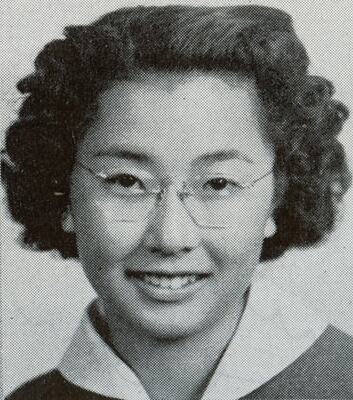
Mary Yuriko Nakahara was born in San Pedro, California, to Japanese immigrant parents, later becoming one of the most influential Asian American civil rights activists in U.S. history.
Yuri Kochiyama was born Mary Yuriko Nakahara on May 19, 1921, in San Pedro, California, the daughter of Japanese immigrants. Her father ran a successful fish market, and her family lived a relatively comfortable, assimilated life in a predominantly white community, where young Yuri was active in student government, sports journalism, and church activities.
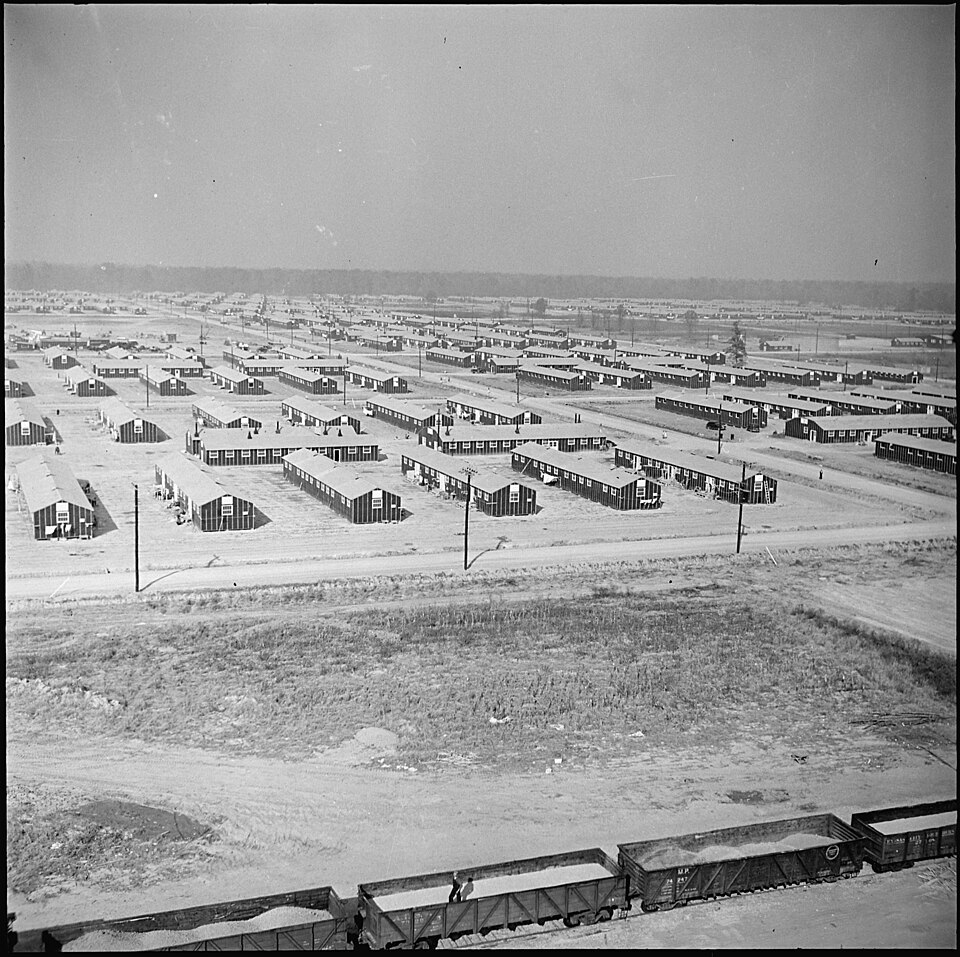
Her early life was upended by the outbreak of World War II. Just hours after the attack on Pearl Harbor on December 7, 1941, FBI agents arrested her father as a suspected enemy alien; he died shortly after his release, weakened by his detention. Yuri and her family were subsequently sent to the Santa Anita Assembly Center and later incarcerated at the Jerome War Relocation Center in Arkansas, an experience that profoundly shaped her political consciousness.
This traumatic upheaval — moving from a life of relative privilege to being labeled an enemy of the state solely because of ethnicity — became the foundation for her lifelong commitment to civil rights, anti-racism, and solidarity across marginalized communities. Her birth and subsequent wartime experiences are frequently cited by historians as the origin point of one of the most significant cross-racial activist careers of the twentieth century, bridging Japanese American redress, Black liberation, and Third World solidarity movements.
Images