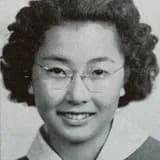
Kochiyama's decades of activism for Japanese American redress helped culminate in the Civil Liberties Act of 1988, signed by President Reagan, providing reparations to WWII internees.
On August 10, 1988, President Ronald Reagan signed the Civil Liberties Act of 1988, which formally apologized on behalf of the U.S. government for the wartime incarceration of Japanese Americans and provided $20,000 in reparations to each surviving internee. Yuri Kochiyama, who had herself been incarcerated with her family at the Jerome, Arkansas camp during World War II, was among the tireless grassroots activists within the Japanese American redress movement who spent decades organizing, testifying, and raising public awareness to achieve this legislative victory.
Kochiyama's activism on redress was deeply personal: her father's arrest and death shortly after his release from custody following Pearl Harbor, and her family's subsequent incarceration, fueled her commitment to ensuring the injustice was formally acknowledged. She worked alongside organizations such as the National Coalition for Redress/Reparations, linking the redress movement to broader themes of racial justice and government accountability.
The passage of the Act represented a historic acknowledgment of civil liberties violations committed under the guise of wartime necessity, and it remains one of the most significant instances of the U.S. government providing formal reparations for a specific act of racial injustice. Kochiyama frequently connected this victory to her broader activism, arguing that redress for Japanese Americans should inspire solidarity with other communities seeking reparations and justice, including African Americans and Native Americans.