← All women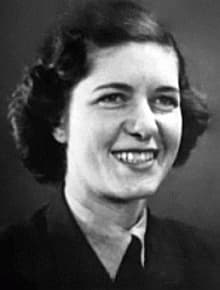
Swiss, British · Activism
Yolande Beekman
January 7, 1911 – September 13, 1944
Early Life and Background
Yolande Elsa Maria Unternährer was born on January 7, 1911, in Paris, France, to Swiss parents. Her father, a textile broker, ensured she had a cosmopolitan upbringing, which included early education in Lausanne and fluent multilingual capabilities, crucial abilities that later influenced her wartime career. When she turned 13, the family relocated to England, further broadening her cultural exposure. Little did her family know that this vibrant upbringing would prepare Yolande for intelligence work during one of the world's most tumultuous times.
Career Beginnings and Development
Before World War II erupted, Yolande trained in secretarial work, a common career path for women of that era. Married to Jaap Beekman in 1939, who was later conscripted, Yolande sought ways to contribute to the war effort. Her proficiency in languages and resilience made her a prime candidate for Britain's Special Operations Executive (SOE), formed to support resistance networks in Europe. She was recruited and trained in wireless operations—critical skills for behind-enemy-lines operations.
Major Works and Accomplishments
In September 1943, Yolande was deployed to France with the codename 'Mariette'. Tasked with operating in the resistance network called 'Musician', she skillfully maintained communication lines between occupied France and London under extreme risk. Her clandestine operations involved coordinating arms drops, sabotage initiatives, and relaying vital information that significantly disrupted German operations. Despite the constant threat of capture, Yolande's commitment never wavered, which earned her reverent respect among her peers.
Awards, Honors, and Recognition
Posthumously, Yolande Beekman received the prestigious Croix de Guerre from France for her valor and exceptional contribution to the liberation efforts. Although hers was not a story of medals and ceremonies, her legacy is prominently honored in memorials dedicated to SOE agents who sacrificed everything for a cause they believed in.
Personal Life
Yolande's brief yet impactful life was interwoven with personal commitments, particularly her marriage to Jaap Beekman. Her letters from the field often reflected a deep longing for peace and a return to family life, dreams that remained unfulfilled due to wartime tensions and eventual martyrdom.
Legacy and Historical Impact
An emblem of courage and resilience, Yolande Beekman’s legacy endures as a powerful example of the unyielding spirit women displayed during the Second World War. Her story sheds light on the considerable yet often underrecognized roles women played in wartime intelligence. She continues to be celebrated for her contributions to the Allied effort and as a martyr who paid the ultimate price for freedom.
Later Life and Death
Captured by the Gestapo in 1944, Yolande was interned, subjected to brutal interrogations, yet she exhibited remarkable fortitude by not divulging information. Her persistence in silence epitomizes her steadfastness and utmost dedication to her mission. Sadly, her life was cut short on September 13, 1944, when she was executed at Dachau concentration camp. Her tragic end underscores the perilous fates SOE agents often faced and memorializes the sacrifices these courageous individuals made.
Dated achievements
4 indexed.
- Jan071911Science
Birth of Yolande Elsa Maria Unternahrer (Beekman)
Born in Paris, France, to Swiss parents, the future SOE wireless operator Yolande Beekman began her life on 7 January 1911.
View details Wikipedia: Yolande Beekman - Sep171943Activism
Parachuted into France as SOE wireless operator
Beekman parachuted into occupied France on the night of 17/18 September 1943 to serve as wireless operator for the SOE's 'Musician' circuit.