Birth of Wilma Glodean Rudolph in St. Bethlehem near Clarksville, Tennessee, U.S.
Wilma Glodean Rudolph was born on June 23, 1940, in St. Bethlehem, near Clarksville, Tennessee, into a large, working-class African American family during the era of Jim Crow segregation in the U.S. South. Her premature birth and the limited medical care available to Black families in rural Tennessee framed the profound obstacles she would face.
As the twentieth of twenty-two children, Rudolph grew up in a household where resources were scarce but familial support was strong. Her early childhood was marked by serious illnesses, including pneumonia, scarlet fever, and later polio, which left her with a weakened left leg and the need for leg braces. In a period when segregation restricted Black patients’ access to hospitals, her mother organized regular trips to Nashville’s Meharry Medical College, one of the few institutions serving Black patients, and led home-based physical therapy.
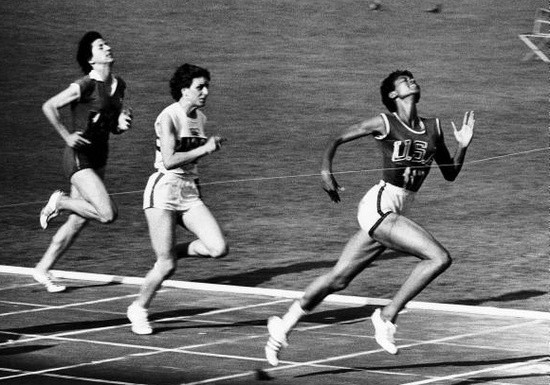
This birth date is historically significant because it anchors the story of a future Olympic champion who would transform women’s track and field and racial narratives in American sport. Born at a time when Black women faced intersecting barriers of race, gender, and poverty, Rudolph’s journey from a sickly child in Tennessee to a world-record-holding sprinter illustrates the radical possibilities that emerged from the civil rights era. June 23, 1940 thus marks the beginning of a life that would challenge assumptions about disability, womanhood, and Black excellence in global athletics.
Images