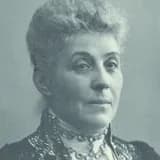
Wilhelmina Drucker died on 5 December 1925 in Amsterdam at the age of 78, having spent her life fighting for women's legal and political equality.
Wilhelmina Drucker died on 5 December 1925 in Amsterdam at the age of 78. By the time of her death, she had witnessed significant, though not complete, progress toward the goals she had championed throughout her life: Dutch women had gained the right to vote in 1919, and legal reforms had begun chipping away at the extensive legal disabilities married women faced under Dutch civil law.
Her death marked the end of a career spanning over four decades of tireless activism, journalism, and organizational leadership within the first wave of Dutch feminism. She was widely recognized, even by opponents, as one of the most persistent and uncompromising advocates for women's rights in the Netherlands, having co-founded key organizations, edited feminist periodicals such as Evolutie, and relentlessly lobbied for legal reform.
In the decades following her death, Drucker's legacy was commemorated in Dutch feminist memory; a statue of her, popularly known as 'Mokum's Mina,' was erected in Amsterdam, and the 1970s radical feminist action group Dolle Mina (Mad Mina) took its name in tribute to her fierce and uncompromising spirit. She remains one of the foundational figures of Dutch feminism, remembered for bridging the gap between early 19th-century women's charitable movements and the more politically assertive suffrage and equality movements of the 20th century.