← All women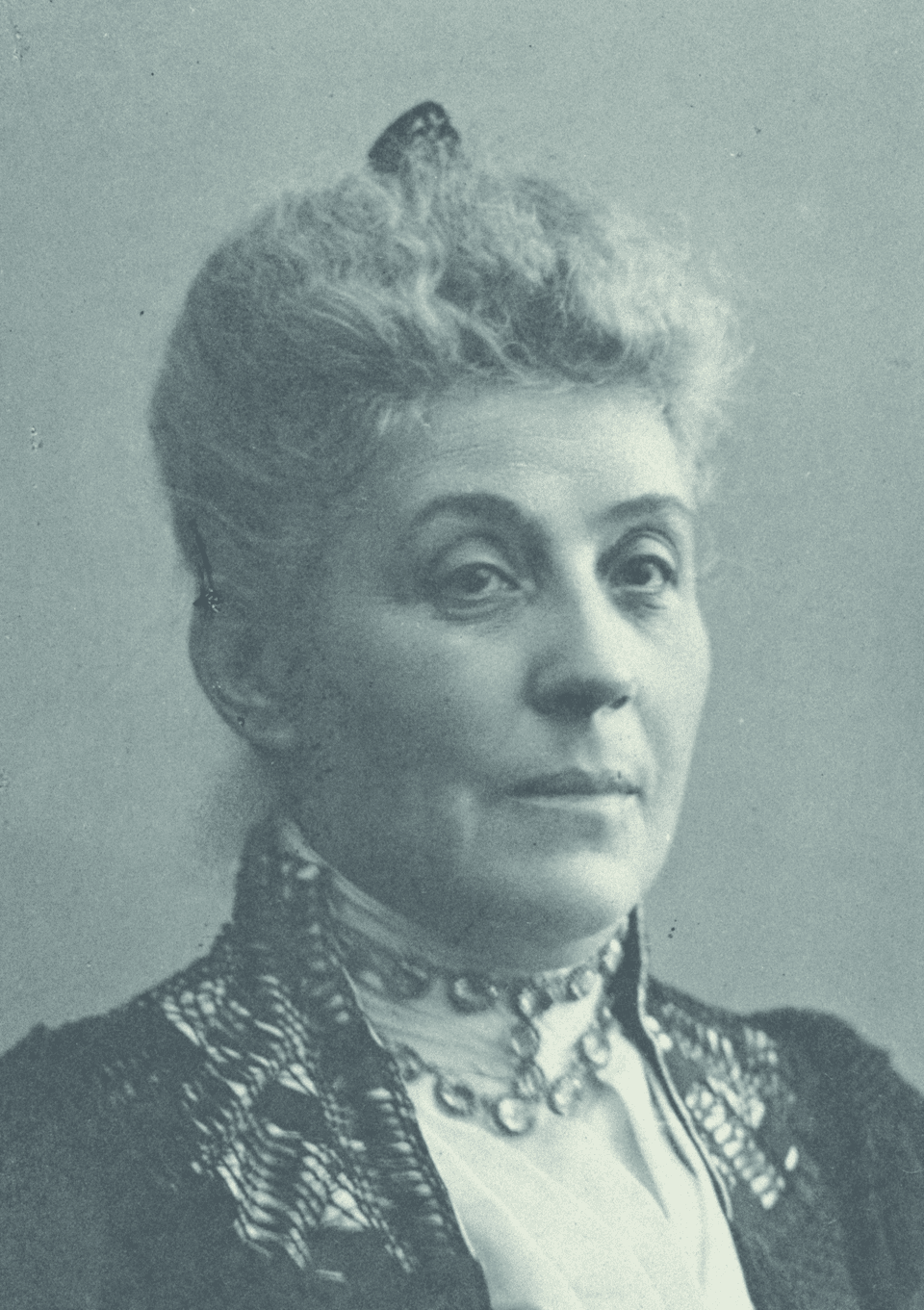
Dutch · Politics · Activism
Wilhelmina Drucker
September 30, 1847 – December 5, 1925
Early Life and Background
Wilhelmina Drucker was born on September 30, 1847, in Amsterdam, Netherlands. She was the illegitimate daughter of Louisa Augusta Vaillant and Louis Drucker, a wealthy banker, which greatly influenced her perspectives on social class and gender equality. Raised in a society that provided limited opportunities for women, Drucker was aware from an early age of the constraints placed on women's legal and social rights. Despite limited formal education, she cultivated her intellect through self-study, reading extensively on law, politics, and history.
Career Beginnings and Development
Drucker's professional life began as a writer and publicist. Her early writings encapsulated her experiences as a woman in a male-dominated society and debated issues surrounding gender inequality. In the 1870s, increasing engagement in political movements led her to work actively within various organizations advocating for women's labor rights and suffrage.
Major Works and Accomplishments
In 1889, Drucker co-founded the Vrije Vrouwen Vereeniging (Free Women's Association) with the aim of securing women's suffrage. In 1894, she played a founding role in the Vereeniging voor Vrouwenkiesrecht (Association for Women's Suffrage), focusing on gaining political rights for women. Drucker was instrumental in these organizations' successes, using her skills to lobby for legislative changes, and wrote numerous articles and pamphlets to spread awareness.
One of her significant written contributions is the satirical novel George David, which critiques societal norms and gender roles.
Awards, Honors, and Recognition
Though not widely celebrated with formal awards during her lifetime, Drucker received posthumous recognition as a trailblazer for feminism in the Netherlands. Her legacy is honored through various memorials and organizations dedicated to women's rights.
Personal Life
Drucker's personal life was deeply interconnected with her advocacy work. She chose not to marry, dedicating her life to social causes instead. Her personal experiences shaped her resolve to pursue gender equality fervently.
Legacy and Historical Impact
Wilhelmina Drucker's contributions significantly advanced women's rights and societal change in the Netherlands. Her pioneering efforts paved the way for future generations of women to achieve equality. Institutions like the Wilhelmina Drucker Foundation continue to carry her legacy forward, emphasizing the ongoing struggle for gender equality.
Later Life and Death
In her later years, Drucker continued to write and influence social policy until her death on December 5, 1925. She died in Amsterdam, leaving a lasting impact on Dutch society and the international feminist movement.
Dated achievements
3 indexed.
- Sep301847Science
Birth of Wilhelmina Drucker in Amsterdam
Wilhelmina Drucker was born in Amsterdam on 30 September 1847, the illegitimate daughter of a wealthy banker and his housekeeper.
View details Wilhelmina Drucker - Wikipedia - Feb281889Science
Co-founded the Vrije Vrouwen Vereeniging (Free Women's Association)
Drucker co-founded the Vrije Vrouwen Vereeniging, one of the first radical feminist organizations in the Netherlands advocating full legal equality for women.