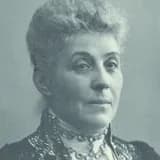
Drucker co-founded the Vrije Vrouwen Vereeniging, one of the first radical feminist organizations in the Netherlands advocating full legal equality for women.
On 28 February 1889, Wilhelmina Drucker co-founded the Vrije Vrouwen Vereeniging (Free Women's Association) in Amsterdam, together with fellow feminist Theodora Kuyper-de Bruijn. This organization represented one of the earliest expressions of radical, uncompromising feminism in the Netherlands, distinguishing itself from more moderate women's organizations of the era by demanding full legal, political, and economic equality between men and women rather than incremental reforms.
The association campaigned on issues including women's suffrage, equal pay, access to education and professions, and reform of marriage and family law that disadvantaged women. Drucker used the organization as a platform to challenge the deeply entrenched patriarchal legal structure of the Netherlands, which at the time denied married women independent legal capacity and excluded all women from political participation.
The founding of the VVV marked a significant turning point in Dutch feminist history, as it introduced a more confrontational and ideologically driven strand of activism compared to earlier charitable or moralistic women's initiatives. Drucker's leadership within the organization cemented her reputation as one of the most outspoken and radical voices for women's emancipation in the Netherlands during the late 19th century, and the VVV became an important precursor to later, larger suffrage organizations.