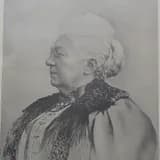
Virginie Loveling was born on 17 June 1836 in Nevele, East Flanders, into a literary family that would produce two of Flanders' pioneering women writers.
Virginie Loveling was born on 17 June 1836 in the small town of Nevele in East Flanders, Belgium. She was the younger sister of poet and writer Rosalie Loveling, with whom she would later form one of the most celebrated literary sister-duos in Flemish letters.
The Loveling sisters grew up in a relatively liberal, educated household for the era, their father being a schoolmaster, which afforded the girls an unusually strong education for women of their time and region. This early exposure to books, language, and intellectual discussion planted the seeds for both sisters' later literary careers.
Her birth in a provincial Flemish town during a period when Dutch-language literature in Belgium was still finding its post-independence identity would prove significant: Virginie Loveling grew up to become one of the most important prose writers of the Flemish Movement, using her regional, rural upbringing as raw material for a realist and later naturalist literary oeuvre that critiqued social conditions, gender roles, and rural Flemish life.
Her early environment in Nevele, steeped in agrarian tradition and Catholic conservatism, later became both a subject of and a target for her socially critical fiction, as she used her insider's knowledge of village life to expose hypocrisy, poverty, and the constrained position of women.