← All women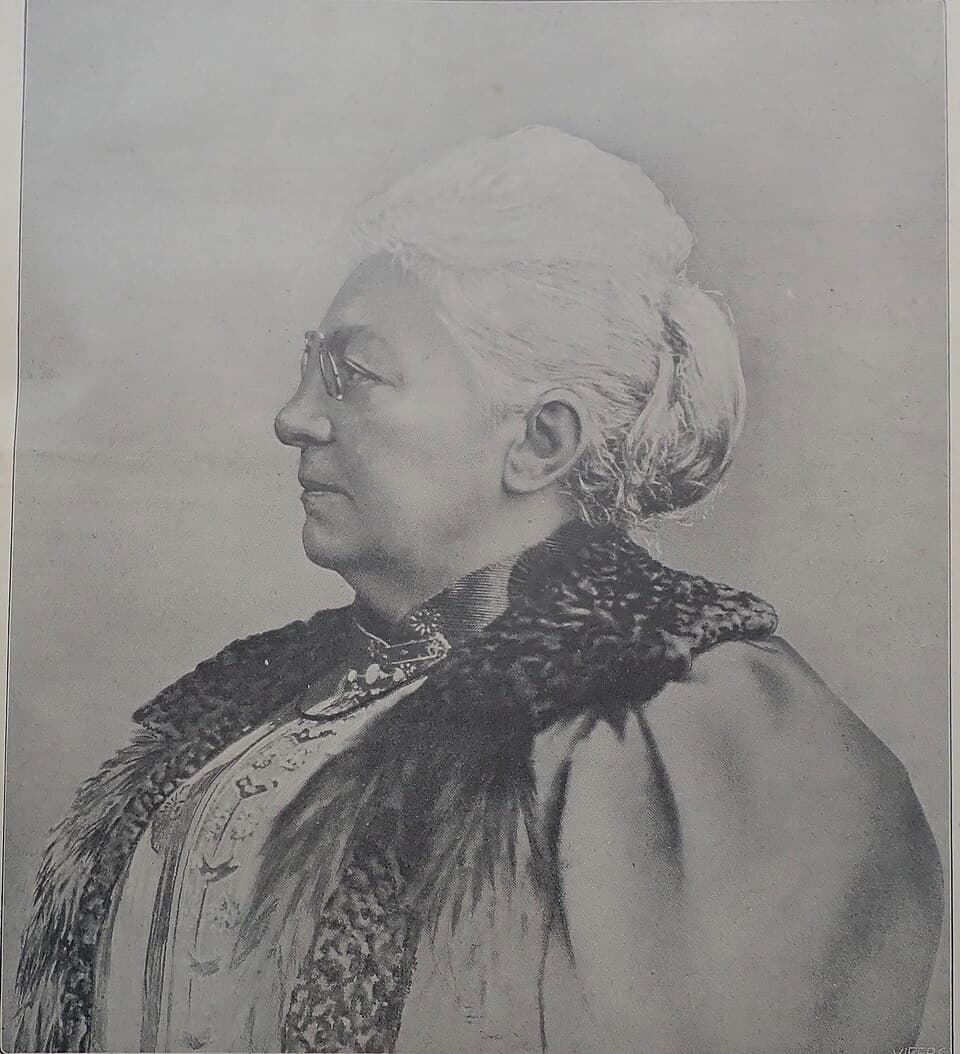
Belgian · Literature
Virginie Loveling
May 17, 1836 – December 1, 1923
Early Life and Background
Virginie Loveling was born on May 17, 1836, in Nevele, Belgium, into a family with literary inclination. Her father, Casimir Loveling, was a doctor, and her mother, Maria de Roo, belonged to a respectable bourgeois family. Virginie grew up in a culturally stimulating environment that encouraged her literary talents. She shared her literary journey with her sister, Rosalie Loveling, forging a strong bond that would prove inspirational throughout her career.
Career Beginnings and Development
Virginie's literary career began under the pseudonym of “W. Woppel” with her sister's collaboration. They initially wrote poetry and prose that depicted rural Flemish life with realistic depictions. Her early works were published in various anthologies before she gained a reputation as a forceful literary figure in her own right, especially after publishing novels such as ‘Een dure eed’ (1878).
Major Works and Accomplishments
One of Virginie's significant achievements is her prolific output in literature, with novels such as ‘Levensleer’ (1899) and the masterpiece ‘De oorlog van '14’ (1923), a vivid diary chronicling the world-changing impacts of the First World War. Her works are noted for their naturalistic style and keen observation of social behaviors.
Awards, Honors, and Recognition
Although specific prestigious awards from her era are not recorded, Virginie Loveling received widespread critical acclaim for her contribution to Flemish literature. Her works continue to be studied and praised for their linguistic beauty and historical depth.
Personal Life
Virginie Loveling led a life centered around her writing and family, particularly her sister, with whom she shared a close professional and personal relationship. She remained unmarried, dedicating her life to literature and social observation through her writing.
Legacy and Historical Impact
Virginie Loveling’s legacy extends beyond her literary contributions as she left an indelible mark on Flemish cultural heritage. Her works reflect an invaluable insight into Flemish society during significant historical periods, particularly her war diaries that document the First World War's profound impact on everyday life in Belgium.
Later Life and Death
She continued to write until her death on December 1, 1923, in Ghent, Belgium. Virginie Loveling’s works have remained significant, inspiring generations of writers and scholars in Flanders and worldwide.
Dated achievements
2 indexed.
- Jun171836Literature
Born in Nevele, Belgium
Virginie Loveling was born on 17 June 1836 in Nevele, East Flanders, into a literary family that would produce two of Flanders' pioneering women writers.
View details Virginie Loveling - Wikipedia - Dec011923Literature
Death of Virginie Loveling in Ghent
Virginie Loveling died on 1 December 1923 in Ghent, having become one of the most significant Flemish women novelists of her generation.