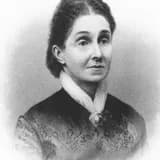
Virginia Minor died on August 14, 1894, in St. Louis, Missouri, having never seen women's suffrage achieved nationally.
Virginia Minor died on August 14, 1894, in St. Louis, Missouri, at the age of 70. She did not live to see the passage of the Nineteenth Amendment in 1920, which finally guaranteed women's right to vote nationwide, some 26 years after her death and 48 years after her failed attempt to register to vote in 1872.
In her final decades, Minor had largely retired from the most visible public activism following the Supreme Court's 1875 ruling against her, though she remained a respected figure within suffrage circles as the plaintiff in one of the movement's most cited legal cases. Her health declined in her later years, and she spent her final period in relative quiet in St. Louis, the city where she had staged her famous act of civil disobedience.
Minor's death marked the passing of one of the suffrage movement's pioneering legal strategists. Her legacy endured through the continued citation of Minor v. Happersett in constitutional law, and later suffragists and historians recognized her as a foundational figure who helped shift the movement's strategy from judicial appeals under the Fourteenth Amendment toward the pursuit of a dedicated constitutional amendment. Her grave and memory have since been commemorated by historical markers and the National Park Service, which maintains materials on her case as part of the history of civil rights litigation in St. Louis.