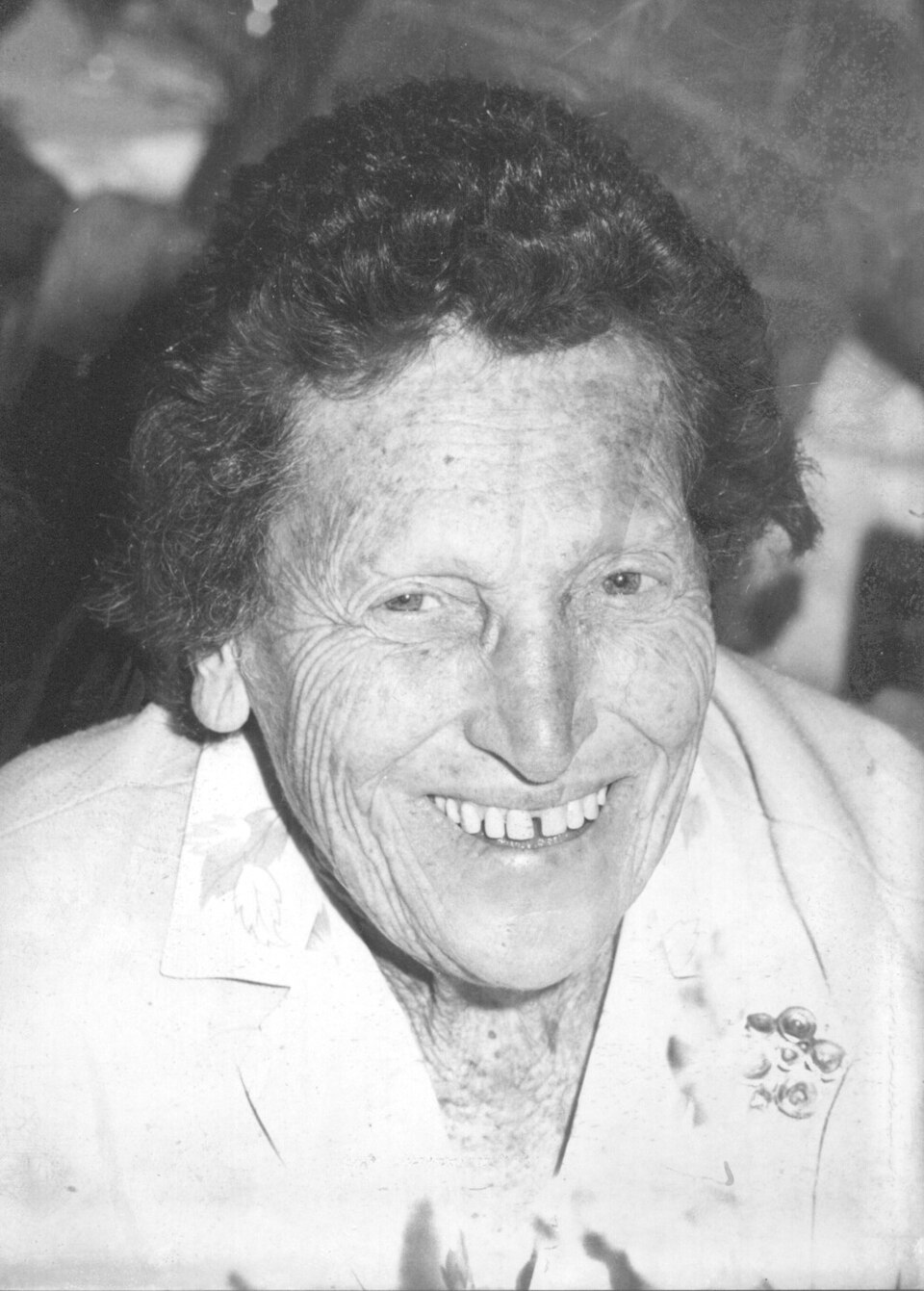
Born in Wynberg, South Africa, to a family of Jewish refugees from Russia; the youngest of four daughters and future pioneer in radiobiology.
22 January 1909 marked the birth of Tikvah Alper in Wynberg, near Cape Town, in South Africa. Born the youngest of four daughters to Jewish refugee parents from Russia, she grew up at the intersection of migration, poverty, and intellectual aspiration in a colonial society that offered few formal opportunities to women in science. Her early life mattered because it shaped a trajectory defined by persistence against institutional exclusion.
Alper later became one of the most important radiobiologists of the twentieth century, but her beginnings were far from the scientific centers where her name would later be known. The educational achievement that followed—advancing through school with unusual distinction—was especially significant in an era when women, and particularly Jewish women from immigrant families in South Africa, faced multiple barriers to advanced scientific training. Her birth therefore belongs to the historical record not just as a biographical fact, but as the starting point of a career that would challenge gender, geographic, and political constraints in science.
Her South African upbringing also remained central to her identity, including her later anti-apartheid commitments and the eventual forced relocation that reshaped her scientific life. The combination of early promise and social adversity is one reason her story is still studied in histories of women in science and nuclear-era research.
Images