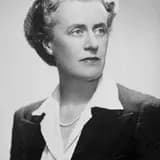
After decades of campaigning led by Casgrain, the Quebec legislature granted women the provincial vote on April 25, 1940.
On April 25, 1940, the Quebec National Assembly (then the Legislative Assembly) passed a bill granting women the right to vote and run for office in provincial elections, making Quebec the last Canadian province to extend this right to women.
Thérèse Casgrain had led the Quebec suffrage movement since the 1920s, taking over the presidency of the Ligue des droits de la femme (League for Women's Rights) in 1928 after earlier organizations such as the Provincial Franchise Committee had struggled against fierce opposition, including from the Roman Catholic Church hierarchy which viewed women's suffrage as a threat to family and social order.
Casgrain organized annual delegations to the Quebec legislature, gave speeches across the province, used radio broadcasts to reach rural audiences, and built coalitions among women's groups, all in the face of ridicule and institutional resistance. Quebec Premier Adélard Godbout's Liberal government finally introduced and passed the enfranchisement bill in 1940, two decades after most other provinces had granted women the vote.
This victory was a turning point not only for Quebec women's formal political rights but also for Casgrain's public career, cementing her role as the preeminent voice for women's political and social equality in French Canada and setting the stage for her subsequent decades of activism in federal politics, social welfare, and peace movements.