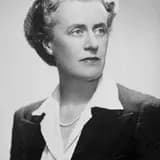
Thérèse Casgrain was appointed to the Senate of Canada, becoming one of the first women from Quebec to sit in the upper chamber.
In 1970, Prime Minister Pierre Elliott Trudeau appointed Thérèse Casgrain to the Senate of Canada, recognizing her decades of public service in advancing women's rights, social welfare, and peace activism.
Casgrain's appointment came late in her long career of activism, following her leadership of the Quebec suffrage movement, her tenure as national president of the Voice of Women (a peace organization she helped found in 1961–62), and her role as leader of the Quebec wing of the New Democratic Party — she had been the first woman in Canada to lead a provincial political party, taking the helm of the Quebec CCF/NDP in 1951.
Her Senate appointment symbolized the culmination of a lifetime spent breaking barriers for women in Canadian public life, from the fight for the provincial franchise in Quebec to advocacy for equal pay, birth control access, and prison reform. As a senator, she continued to champion progressive social causes, lending her voice and prestige to issues of gender equality and social justice at the federal level.
Her presence in the Senate, one of the highest institutions of Canadian governance, stood as a powerful symbol that women — and particularly French-Canadian women who had been denied the provincial vote until 1940 — could rise to the very top of the nation's political structures despite the barriers imposed by tradition, religion, and patriarchal politics.