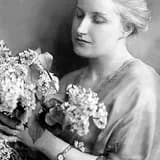
Thea von Harbou died on July 1, 1954, in West Berlin, after being struck by a car; she was 65 years old.
Thea von Harbou died on July 1, 1954, in West Berlin, Germany, reportedly after being hit by a car near her home. She was 65 years old at the time of her death.
By the time of her death, von Harbou's reputation had been complicated by her enthusiastic membership in the Nazi Party beginning in 1933 and her continued prolific screenwriting career under the Third Reich, even as her former husband and collaborator Fritz Lang emigrated from Germany in opposition to the regime. Her postwar career was more subdued, though she continued to write and work in the West German film industry until her death.
Von Harbou's legacy remains a study in contradiction: she was one of the most talented and successful screenwriters of the silent and early sound era, co-creator of enduring masterpieces such as Metropolis, M, and Die Nibelungen, yet her political affiliations during the Nazi era have permanently colored assessments of her career. Her death marked the end of a career that spanned some of the most transformative decades in the history of German and world cinema, and scholars continue to study her extensive body of work—including novels, plays, and over 30 screenplays—as essential documents of Weimar and Nazi-era popular culture.