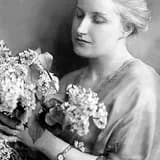
Thea von Harbou co-wrote the screenplay for Metropolis, which premiered January 10, 1927, becoming a landmark of science-fiction cinema.
On January 10, 1927, Fritz Lang's monumental science-fiction film Metropolis premiered at the Ufa-Palast am Zoo in Berlin. The screenplay was co-written by Thea von Harbou, based on her own 1925 novel of the same name, and it remains one of the most influential and expensive films of the silent era.
Metropolis depicted a dystopian futuristic city sharply divided between wealthy industrialists and an oppressed working class, a theme that resonated deeply with the social and political anxieties of Weimar Germany. Von Harbou's narrative, combined with Lang's groundbreaking visual direction, established many of the visual and thematic tropes that would define science-fiction cinema for decades, including the archetype of the robotic humanoid (embodied by the character Maria/the Machine-Man).
As a woman working at the highest levels of screenwriting in an industry dominated by men, von Harbou's contribution to Metropolis was extraordinary both artistically and commercially—though the film was a box-office disappointment upon release, it was later recognized as a masterpiece and was added to UNESCO's Memory of the World Register in 2001, the first film to receive that distinction. Her authorship of both the novel and screenplay demonstrates her rare dual command of literary and cinematic storytelling, and her legacy as one of the era's most significant screenwriters rests substantially on this singular achievement.