Teresa Carreño died in New York City on June 12, 1917, at age 63, following decades as a leading international concert pianist.
Teresa Carreño died on June 12, 1917, in New York City, the same city where she had made her sensational debut more than half a century earlier. She had continued performing and composing almost until the end of her life, having built an international reputation as one of the greatest pianists of her era, celebrated across Europe and the Americas.
Her death marked the end of a remarkable career that included triumphant tours through the United States, South America, and Europe, performances for royalty and heads of state, and a body of compositions that included piano works, songs, chamber music, and an opera. She was also notable for her work as a conductor and opera singer, rare accomplishments for a woman of her time.
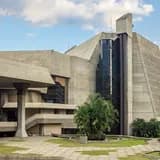
In recognition of her enduring legacy to Venezuelan and world culture, her remains were eventually repatriated to Venezuela, and the country's premier performing arts center, the Teresa Carreño Cultural Complex in Caracas, was named in her honor in 1983. Her life and career remain a touchstone for discussions of women's achievement in classical music during the nineteenth and early twentieth centuries, and she is remembered as a pioneering figure who broke barriers as a female virtuoso, composer, and conductor.