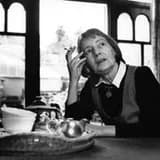
Smith's experimental first novel, written in a stream-of-consciousness style, became a surprise literary success and established her distinctive voice.
In 1936, Stevie Smith published her first novel, Novel on Yellow Paper, after her initial attempt to publish a collection of poetry was rejected by a publisher who suggested she 'go away and write a novel' instead. Written in a distinctive, chatty, stream-of-consciousness style narrated by the character Pompey Casmilus (a thinly veiled alter-ego of Smith herself), the book was composed rapidly, reportedly in a matter of weeks, on the yellow office paper she used at her day job as a secretary at the publishing house of Sir Neville Pearson.
The novel was unlike anything else being published in Britain at the time—digressive, witty, deeply personal, and formally daring, blending satire, social commentary, and intimate confession. It received considerable critical attention and commercial success, establishing Smith as a fresh and idiosyncratic new literary voice.
The success of the novel opened the door for Smith to publish the poetry she had been writing for years; her first poetry collection, A Good Time Was Had by All, followed in 1937. Novel on Yellow Paper remains significant as an early example of a strikingly modern, feminist-inflected narrative voice in interwar British fiction, and it cemented the literary reputation that allowed Smith to continue writing on her own idiosyncratic terms for the rest of her career.