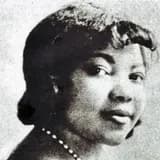
Wallace cut her first commercial recordings for OKeh Records in New York, launching her career as a nationally recorded classic blues singer.
On October 23, 1923, Sippie Wallace traveled to New York City to make her recording debut for OKeh Records, cutting sides including "Shorty George" and "Up the Country Blues." This session came at a pivotal moment in the recording industry, when major labels had begun to realize the enormous commercial potential of "race records" aimed at African American audiences following Mamie Smith's breakthrough 1920 recording of "Crazy Blues."
Wallace's early OKeh sides were commercially successful, selling well and establishing her as one of the label's premier blues artists alongside figures like Sara Martin. Her rich, expressive contralto voice and frank, often sardonic lyrical style—addressing themes of heartbreak, independence, and sexuality from a woman's perspective—resonated with Black audiences experiencing the Great Migration and urbanization of the early 1920s.
This debut session opened the door to a prolific recording career; over the next few years she would record more than forty sides for OKeh, often accompanied by top musicians including Louis Armstrong and her own brother, pianist Hersal Thomas. The success of this session helped cement the "classic blues" genre as a commercially viable and culturally significant style, giving voice to Black women's experiences in a way few other public platforms of the era allowed.