← All women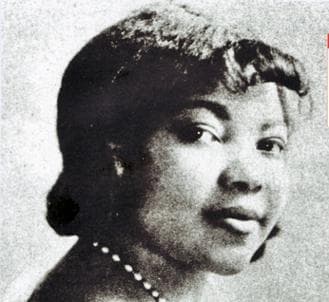
American · Arts
Sippie Wallace
November 1, 1898 – November 1, 1986
Early Life and Background
Sippie Wallace, born as Beulah Belle Thomas on November 1, 1898, in Plum Bayou, Arkansas, was the youngest of 13 children in a musical family. Her parents instilled a love for music in her and her siblings, several of whom, like her brothers George and Hersal, also pursued musical careers. Moving to Houston, Texas, during her adolescence deeply influenced her exposure to the rich African American musical traditions that shaped her future work.
Career Beginnings and Development
Wallace started performing in the Baptist church choir, where her formidable voice first gained notice. As a teenager in the 1910s, she began performing in local venues and tent shows, rapidly building a reputation as an engaging live performer. By the early 1920s, she had moved to Chicago, then a hotbed for jazz and blues, where her career took off. Signed by Okeh Records, Wallace became known for her distinctive voice and emotive songs, often addressing themes of independence and resilience.
Major Works, Discoveries, or Accomplishments
Sippie Wallace recorded over 40 songs with Okeh Records between 1923 and 1927, including hits like "Women Be Wise". Her collaborations with piano virtuoso Clarence Williams and her brother Hersal Thomas were particularly noteworthy. Wallace's songwriting often focused on complex emotional narratives, a rarity for female artists of her era, making her work stand out.
Awards, Honors, and Recognition
Despite facing years of obscurity, Wallace experienced a revival in the 1960s and 1970s as the blues regained popularity. Her music inspired future generations of blues musicians, including Bonnie Raitt, who frequently acknowledged Wallace’s influence on her own career. In 1982, Wallace was nominated for a Grammy Award for Best Ethnic or Traditional Folk Recording for her album "Sippie".
Personal Life
Sippie married Matt Wallace, a local businessman, in her youth, which shaped her personal and professional life. Despite enduring personal challenges, including the loss of her brother and collaborator Hersal in 1926, Wallace persisted in her career with resilience and tenacity.
Legacy and Historical Impact
Sippie Wallace's powerful voice and pioneering spirit paved the way for future generations of female musicians in the blues genre. Her music addressed themes of female empowerment, autonomy, and relationship dynamics, which resonated with audiences across decades. She is remembered not only as a singer but also as a storyteller and cultural commentator through her music.
Later Life and Death
After a hiatus from the music industry, Wallace returned in the 1960s, performing and recording until her health declined in the early 1980s. Sippie Wallace passed away on November 1, 1986, leaving behind a legacy celebrated by blues enthusiasts around the world.
Dated achievements
3 indexed.
- Nov011898Arts
Birth of Sippie Wallace in Houston, Texas
Born Beulah Belle Thomas in Houston, Texas, one of thirteen children of a church deacon; she would become one of the great blues singers of the 1920s.
View details Sippie Wallace - Wikipedia - Oct231923Arts
Recorded 'Shorty George' and 'Up the Country Blues' for OKeh Records
Wallace cut her first commercial recordings for OKeh Records in New York, launching her career as a nationally recorded classic blues singer.