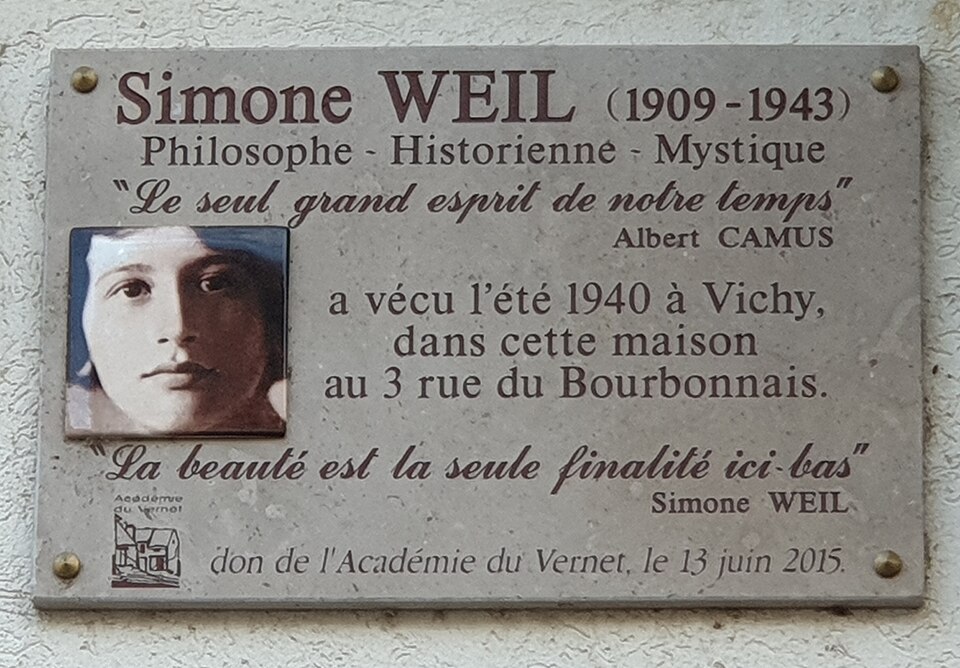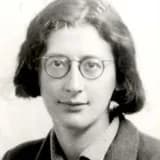
Simone Adolphine Weil is born in Paris on 3 February 1909 into an agnostic Jewish physician’s family, beginning the life of a major 20th‑century philosopher, mystic, and activist.
On 3 February 1909, Simone Adolphine Weil was born at 19 boulevard de Strasbourg in Paris, France, into a cultivated, agnostic Jewish family headed by physician Bernard Weil and his wife Salomea (Selma) Reinherz Weil.[1][16] Her elder brother, André, would become a renowned mathematician, placing Simone in an intellectually vibrant household that valued rigorous study and secular humanist ideals.
Weil’s birth at the heart of the French Third Republic framed her life within an era marked by industrialization, ideological conflict, and the aftermath of the Dreyfus Affair—developments that shaped her later concern with justice, oppression, and the plight of the marginalized.[1][2] Growing up in Paris’s elite educational milieu, she displayed precocious brilliance, mastering classical languages and philosophy while developing strong ethical convictions about solidarity with workers and the poor.[7][16]
The significance of this birth event lies in how a child of assimilated, non‑practicing Jewish parents would become one of the 20th century’s most influential philosophers, mystics, and political activists, bridging secular and religious thought.[1][3] Her origins in a comfortable, secular bourgeois setting underscore the radical nature of her later choices: factory work, front‑line engagement in the Spanish Civil War, and voluntary austerity during wartime exile. Weil’s life trajectory—from Parisian doctor’s daughter to “saint of outsiders” in philosophical memory—starts with this moment, making her birth a sentinel event in women’s intellectual history.
Images