Birth of Simone de Beauvoir in Paris, France, one of the most influential philosophers and feminist writers of the 20th century.
Simone Lucie Ernestine Marie Bertrand de Beauvoir was born on 9 January 1908 in the 6th arrondissement of Paris, into a bourgeois family that valued education and cultural refinement. Her early years in Paris mattered deeply to her later career: she grew up in a society that offered upper-class girls access to schooling, but still expected them to conform to limited roles. Beauvoir’s intellectual independence was shaped in part by that tension, and by her own early conviction that literature and philosophy could be a life’s work.
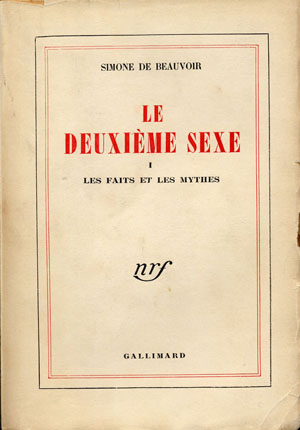
Her birth is historically significant because it marks the arrival of one of the central voices of twentieth-century thought. Beauvoir would become a philosopher, novelist, memoirist, and public intellectual whose writing helped redefine existentialism and modern feminism. In an era when women were still underrepresented in elite French academic life, she would push into the highest levels of philosophical training and literary production. The range of her later influence—on feminist theory, autobiography, political engagement, and literary modernism—makes this date a useful starting point for understanding a career that repeatedly challenged the boundaries assigned to women of her generation.
Beauvoir’s life also exemplifies a broader historical shift: the emergence of women as major producers of ideas rather than only subjects of intellectual history. Her eventual success did not erase the barriers of her era, but it showed how determination, talent, and intellectual partnership could create a new public role for women in philosophy and letters.
Images